The work that moves by itself, checked by the people who own it.
By starting from a step your team already takes, recording every action and keeping people on the decisions, we help small and mid-size businesses stop retyping, re-sending and re-checking the same information.
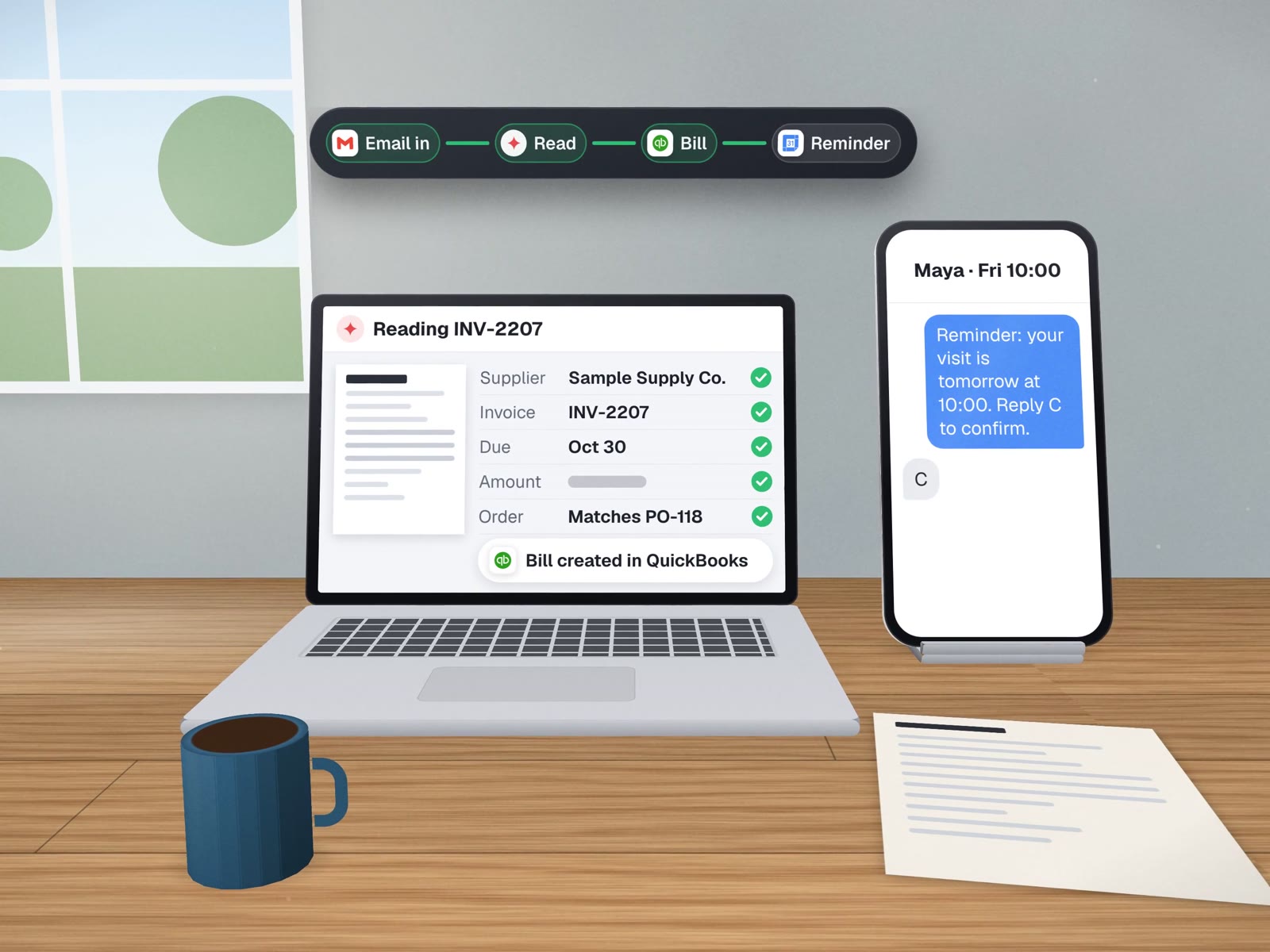
Eight kinds of automation, sorted by what sets them off.
Every automation starts from an event: something arrives, a date comes round, two tools need to agree, or an old setup starts misbehaving. Pick the one that sounds like your week.
When something arrives
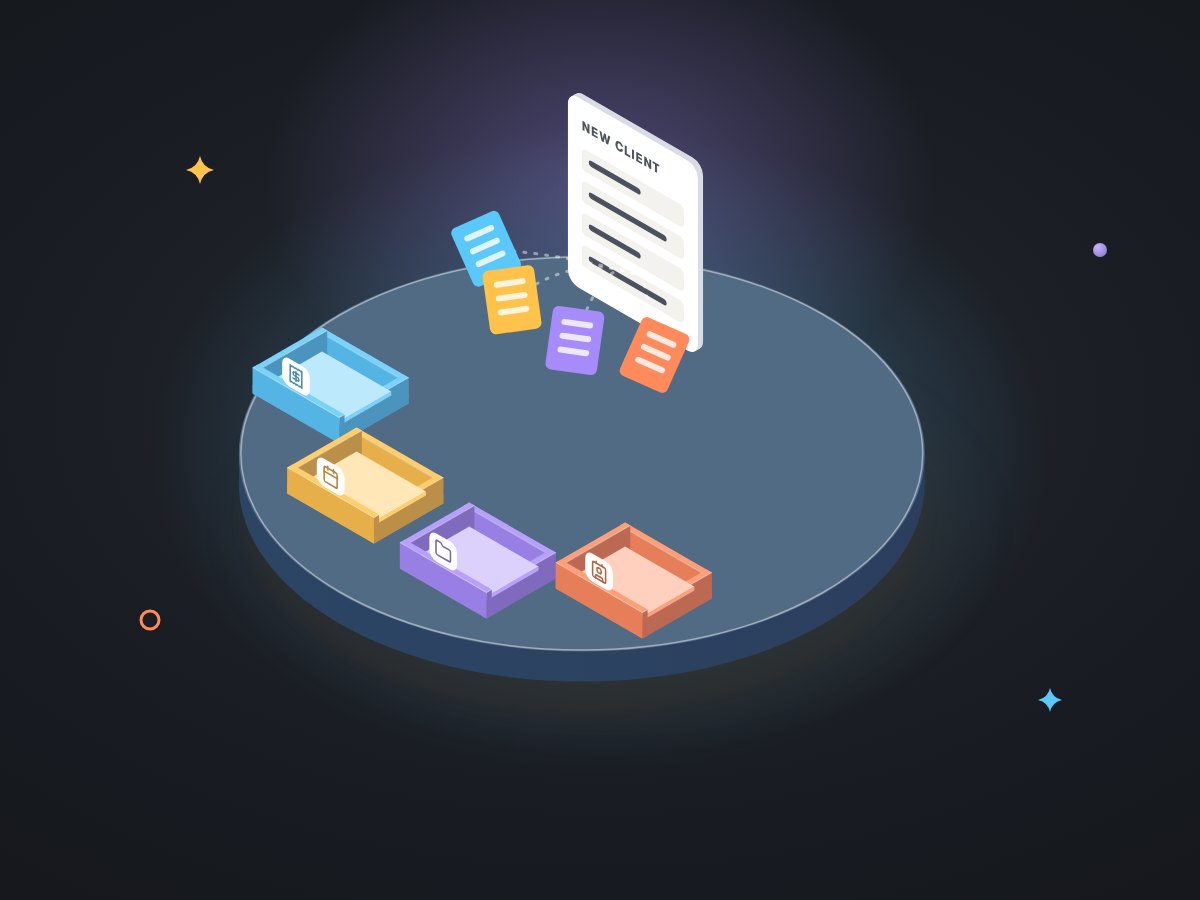
A PDF, an email, a new client or a new hire.
When a date comes round
Appointments tomorrow, invoices due Friday.
Between your tools
Data typed once, then carried everywhere it is needed.
When it already exists
Somebody built it once. Now nobody trusts it.
Four triggers, one pattern, your own tools.
Whatever sets it off, each automation runs the same four moves: read, check, act, record. People sit at the one point where a mistake would cost money or a customer.
Six rules every automation we ship follows.
Most of these came from building a shipping-label bot for a dental lab, where one wrong action means a courier charge or a parcel at the wrong door.
Two earlier tools at that lab failed because staff had to do something new. If your team has to remember the automation, it is not finished.
Printing, saving, marking a job done. The automation listens for the habit instead of asking for a new one.
Before making a label, a contact or an invoice, check whether one already exists. A reprint should never become a second shipment.
If an action costs money, confirm it can succeed first. LabelBot checks the courier's service area before it buys anything.
New automations run next to the old way on real work. We switch over when the results match.
Each one starts with a person approving its output. Letting it act alone is a decision you make later, on evidence.
Built, tested and running.
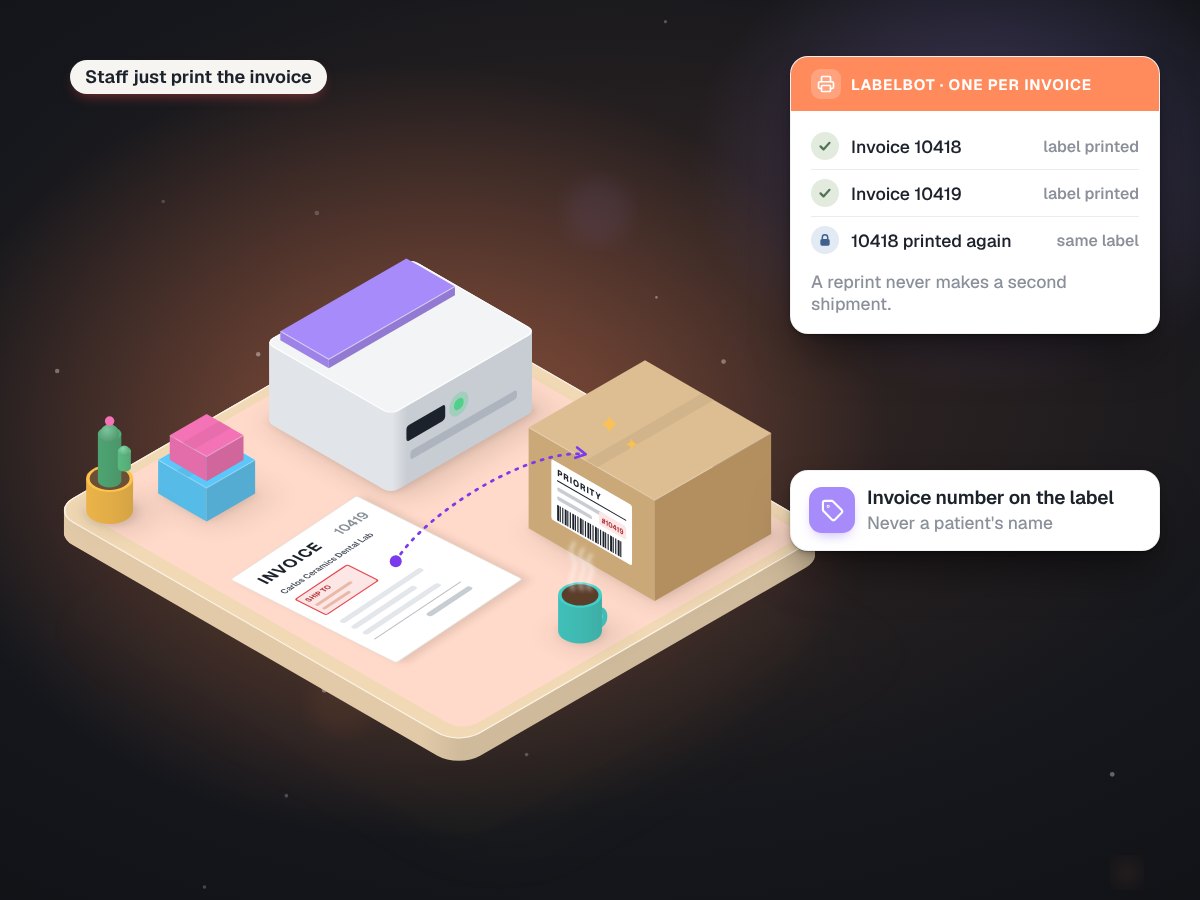
An invoice that prints its own shipping label
Carlos Ceramics Dental Lab prints each invoice as it always did. LabelBot reads the ship-to block, checks the courier's service area, buys exactly one label and prints it beside the invoice. 130 automated tests and a shadow run came before go-live. 628 labels so far, an estimated 34 to 57 hours saved.
Client work · Dental lab
How it was built →A CRM sync with a line for every change
324 practice records written into the lab's CRM: 3,244 field updates, no failures, no value overwritten.
Client work · Dental lab
See the method →Books that check themselves every morning
Our own Google Sheets and Apps Script workbook: refuses duplicate entries, runs daily checks and builds a payments calendar.
Built in-house
See the system →Writing on automation
What we learned building it, and checks you can run before you pay anyone.
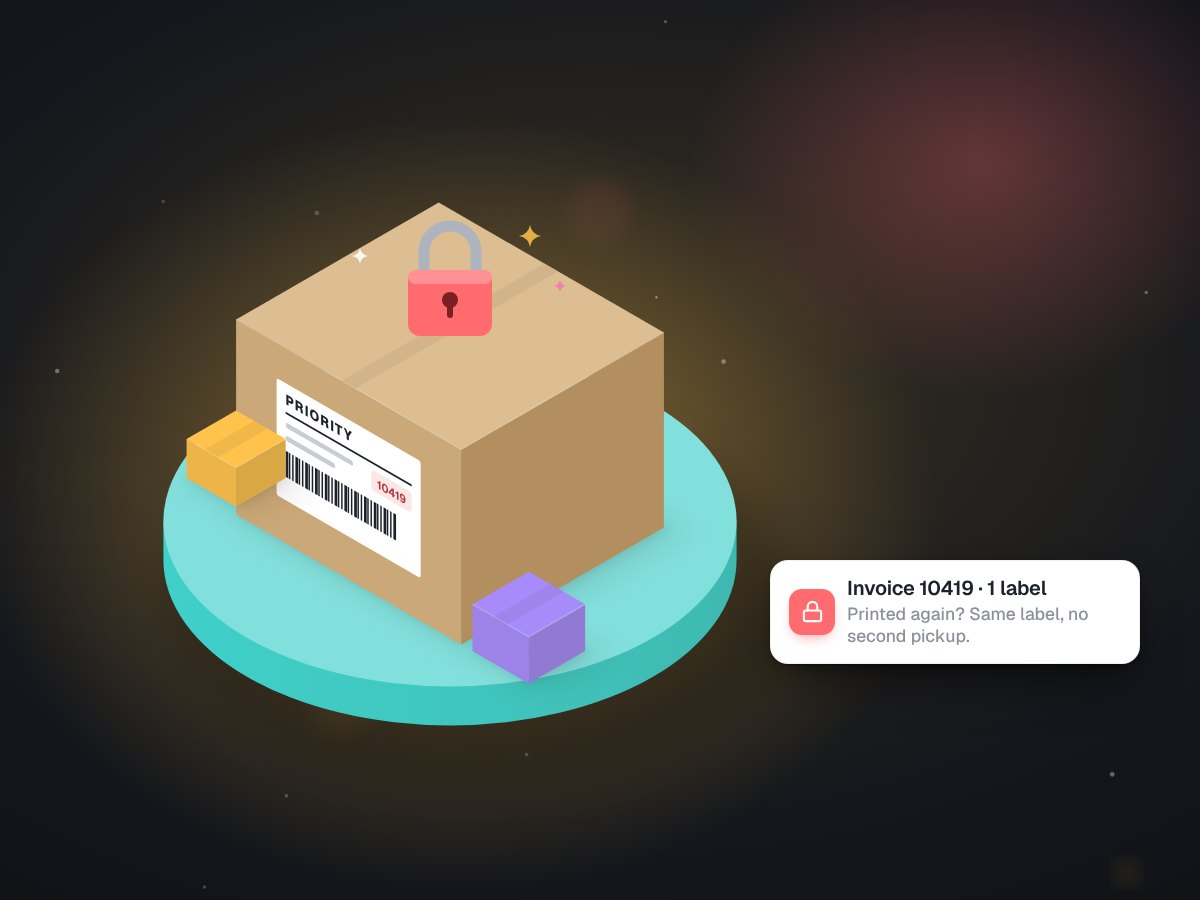
Why our shipping bot refuses to print a second label
A ledger, a lock and one rule about reprints.
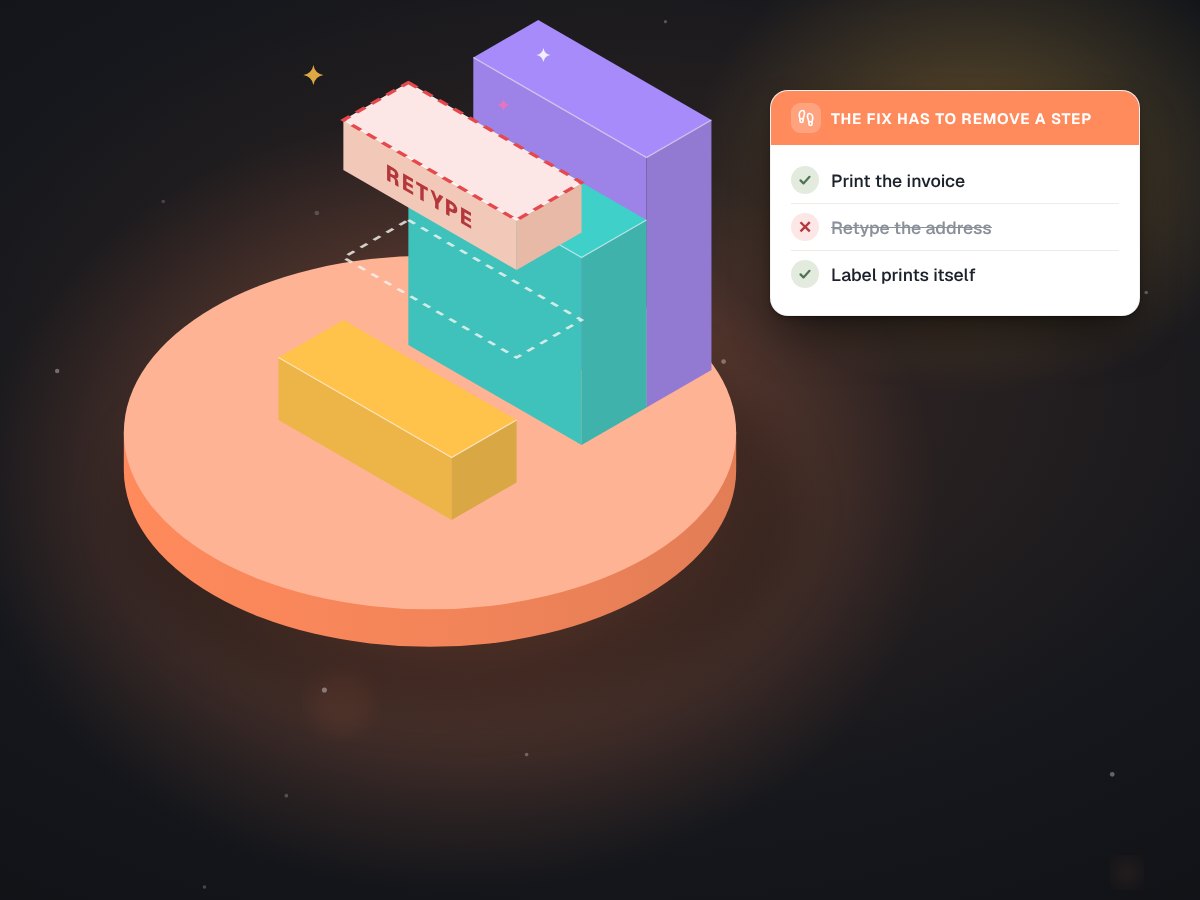
Two tools failed at the lab before this one
Both added a step. The one that stuck removed one.
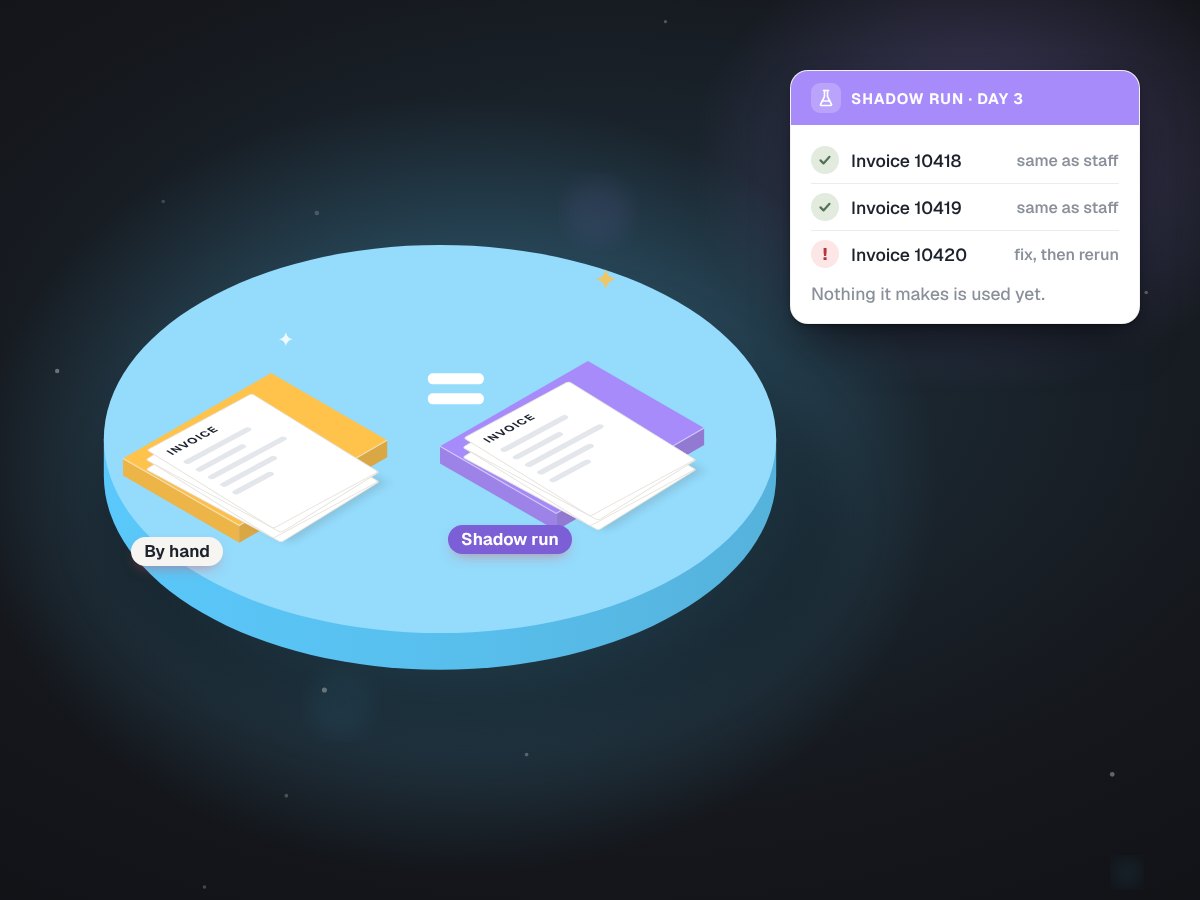
Test on real paperwork first
Why a shadow run beats a demo.
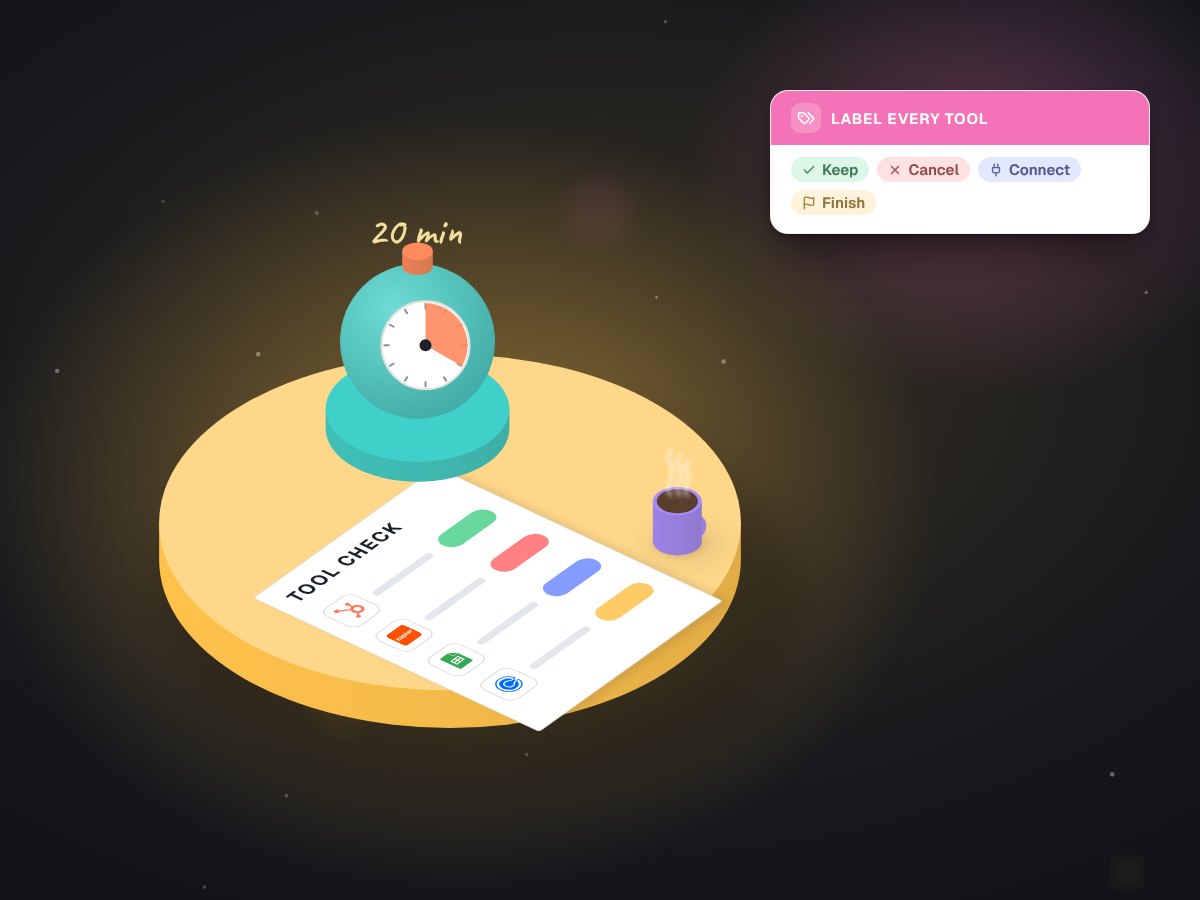
A 20-minute tool check you can do yourself
Find the work your team does twice.
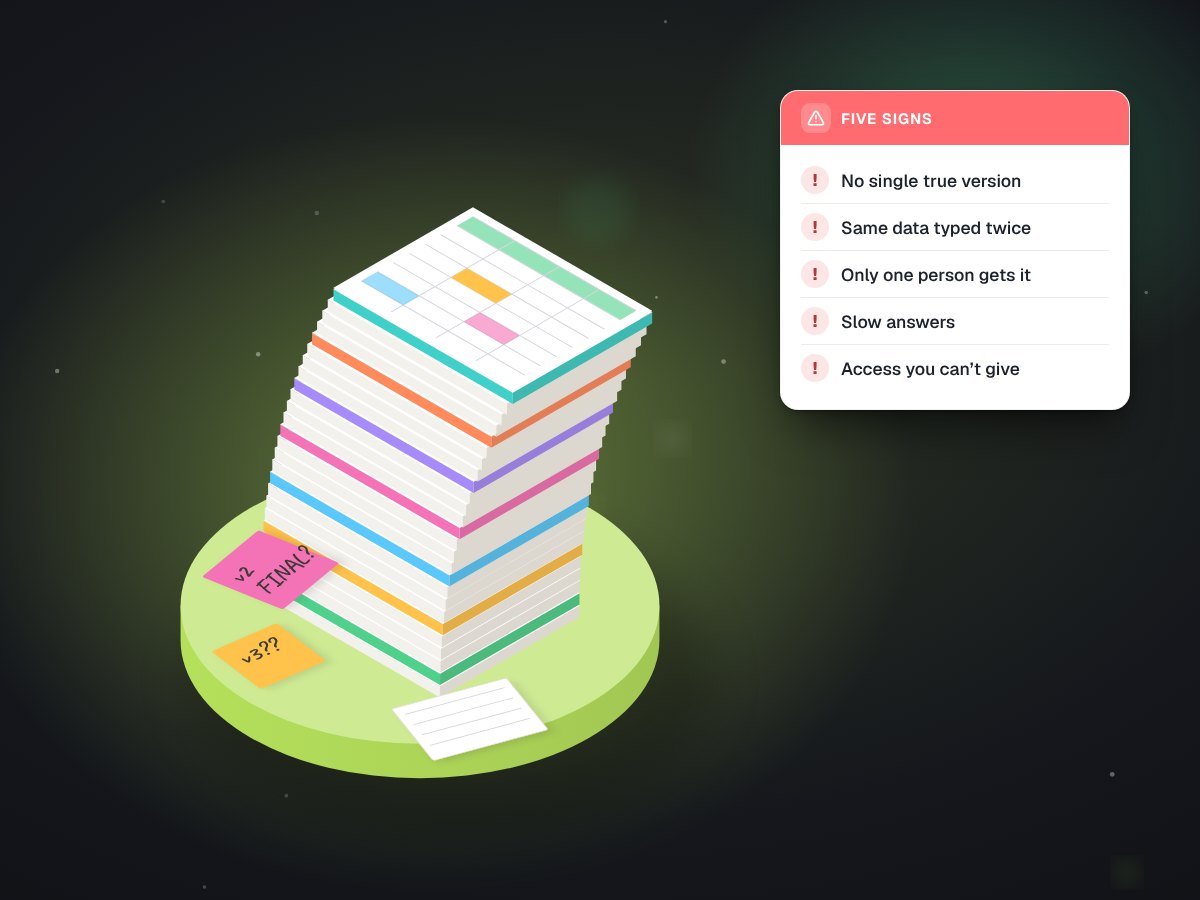
Five signs your business has outgrown spreadsheets
And when a spreadsheet is still the right answer.
Anywhere the same details get typed twice.
Before you automate anything.
Where should a small business start with automation?
With the task someone does every day that involves copying information from one place to another. It is usually easy to measure, easy to test, and the person doing it will tell you quickly whether the automation helped.
Do we need to buy new software first?
Rarely. Most of what we build connects the tools you already pay for. If one of them truly cannot do the job, we say so in writing and explain the alternative before you spend anything.
How do we know the automation did the right thing?
Every automation we build keeps its own record: what came in, what it did, and when. You can check any single action after the fact, and anything it was unsure about waits for a person.
Who owns the automation when you are done?
You do. It runs on accounts in your company's name, with the keys and a plain-language guide written down for you.
Which job does your team do twice every day?
Tell us on a free call. We will tell you whether it can be removed, and what would set it off.