Less chasing documents. Cleaner client records.
Most of the work is collecting things: documents for an application, renewals coming due, signatures, statements at month end. A typical small firm runs an agency or practice system, carrier or lender portals, e-signature, email and a tracker spreadsheet, and every handoff between them is typed by hand.
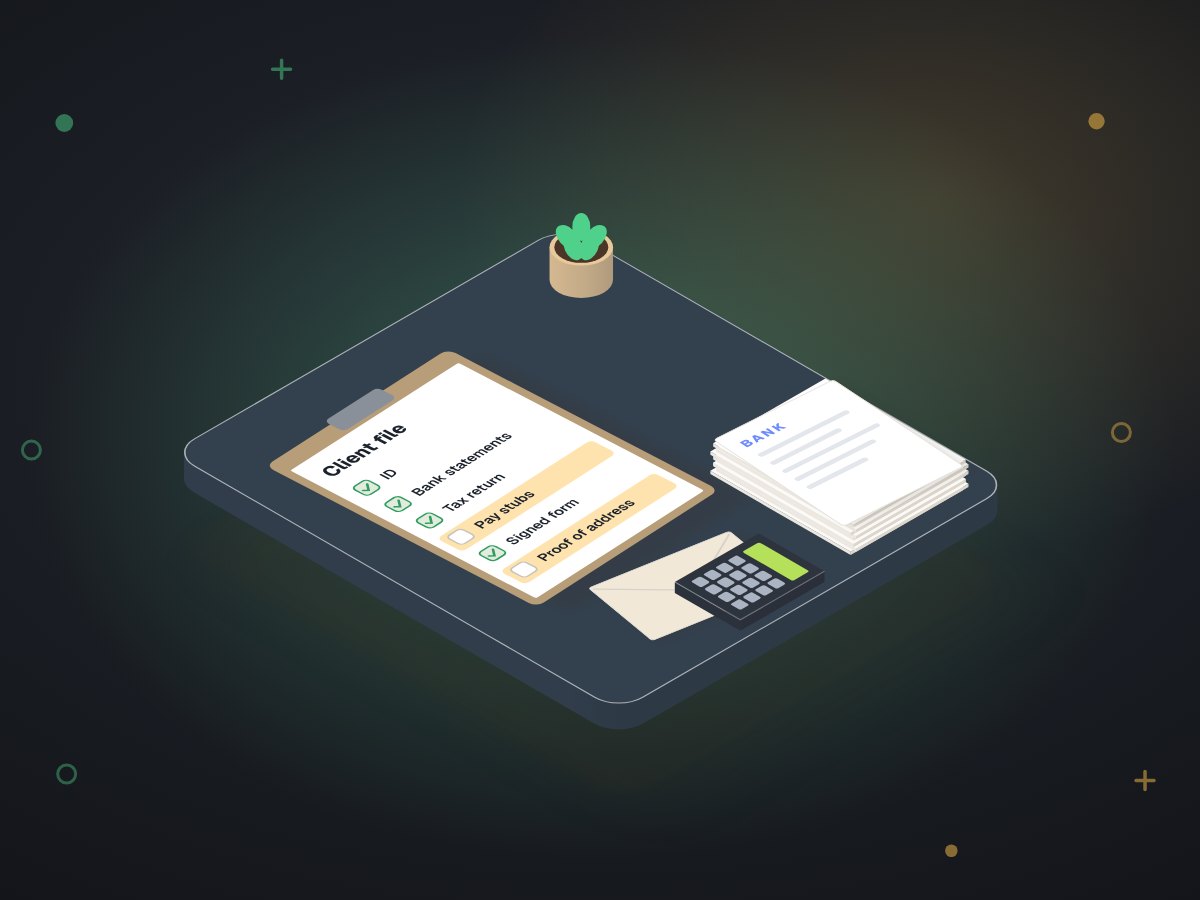
Automation, at work.
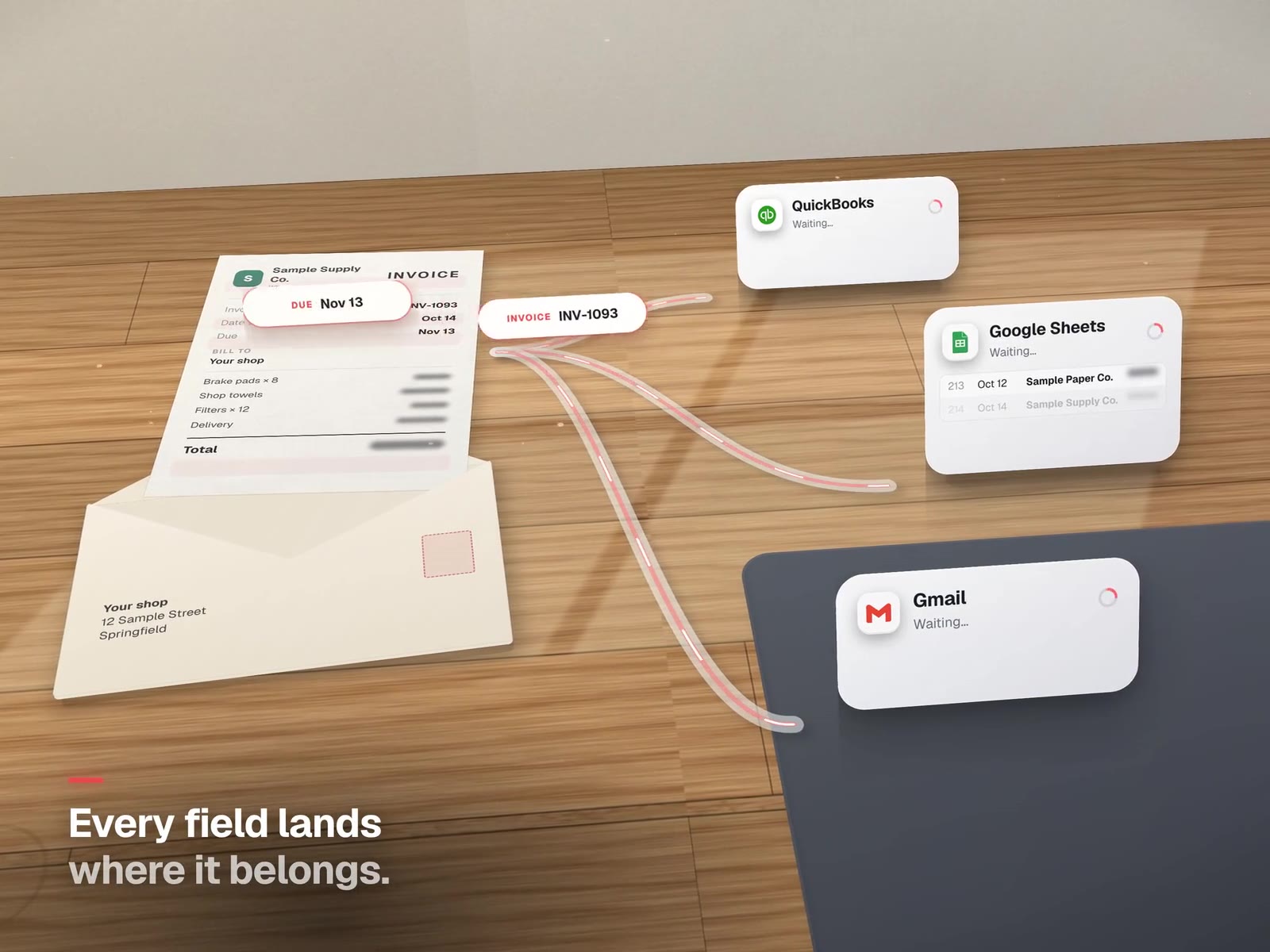
Five systems, and the spreadsheet that really runs the office.
Sound familiar at your firm?
- The same missing document"I spend my week chasing clients for the same missing document."
- Renewals that sneak up"Renewals sneak up on us."
- A client spelled three ways"The client's details are different in every system."
- Statements one by one"Month-end for our bookkeeping clients means downloading statements one by one."
- AI kept at arm's length"We can't put client files into ChatGPT, so we don't use AI at all."
Licensed work comes with its own rules: what has to be kept, how clients can be contacted, who may give advice. We build so that anything that counts as advice goes to a licensed person, and texts only go to clients who agreed to them. Your compliance obligations stay yours; this is not legal advice.
On the dashed lines.
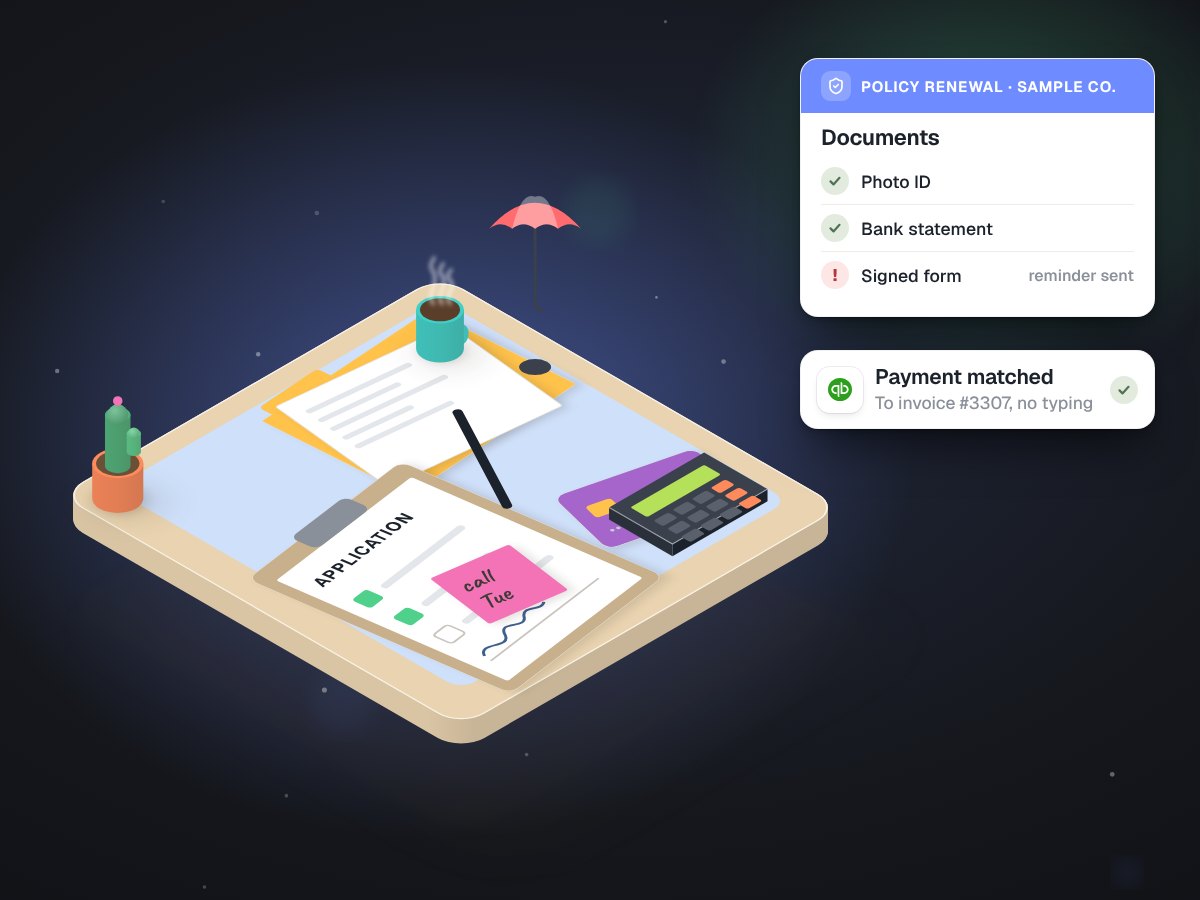
Renewal month at a small agency.
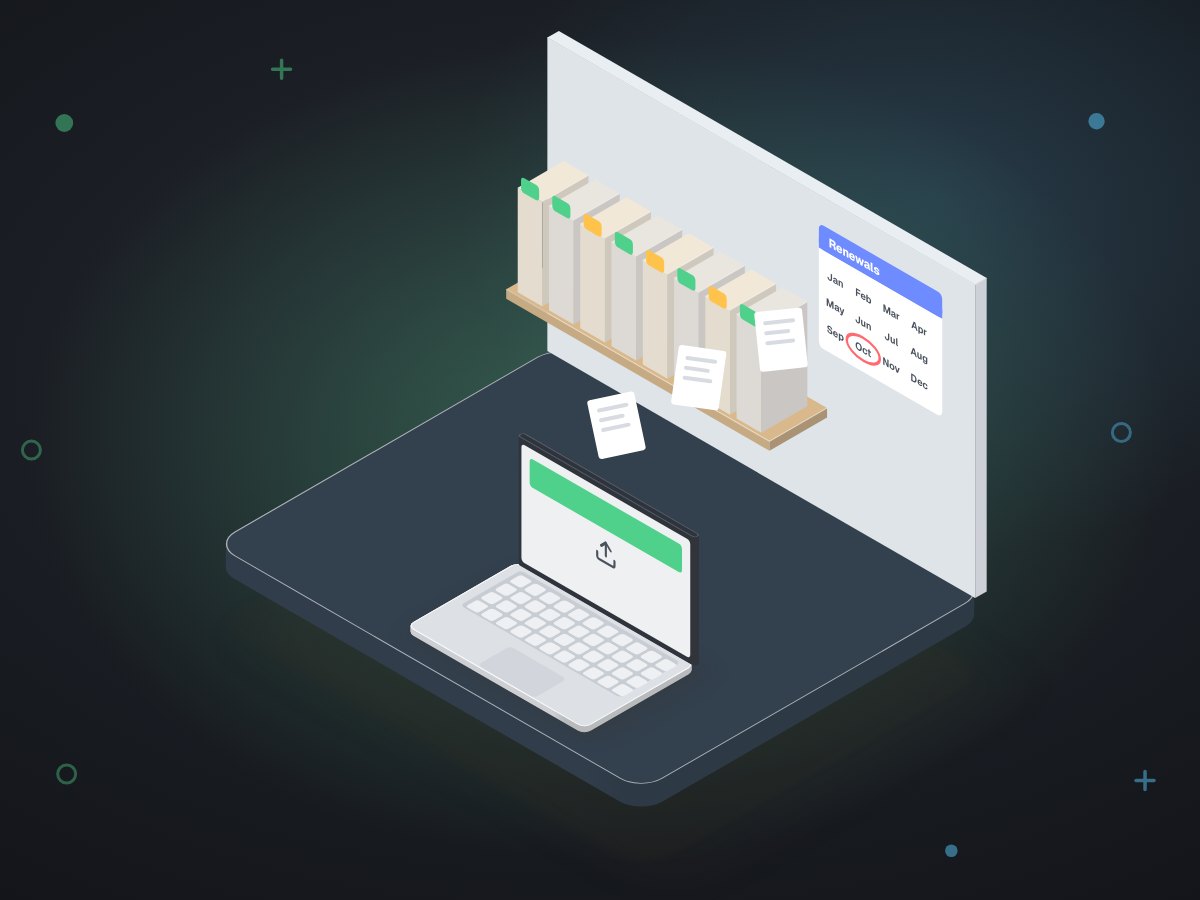
Monday's list shows the policies renewing in 60 days. Each client gets a link asking only for what changed. Uploads are read, named and filed to the client's folder, and the record updates without anyone retyping it. By Thursday the producer sees which files are complete and calls the three that aren't. Friday's close is shorter because the statements were filed as they came in.
Records we wrote carefully, and books that check themselves.
For Carlos Ceramics Dental Lab we wrote 324 customer records into its CRM: 3,244 field updates, zero failures, zero overwritten values. The writer read each record first, merged instead of replacing, ran as a dry run until switched on, and logged every change with the old value, the new value and the time. That is the standard a firm with client money or policies needs.
For our own company we built a finance system on Google Sheets that labels client email, copies attachments into the right Drive folder, refuses duplicate entries and runs checks every day.
 Google Sheets
 Google Drive
 Gmail
About client data.
Do you keep copies of our clients' financial data?
No. Data stays in your systems and accounts. We work through access you grant and can remove, and we design so our tools don't store client files.
Can we use AI on client files at all?
Often yes, with the right setup: business accounts that don't train on your data, or a model running on your own hardware for the most sensitive work. We write down which is which before anything is switched on.
How many systems is one client in? Let's make it one record.
The first call is free. Bring the tracker spreadsheet; it usually tells us where to start.