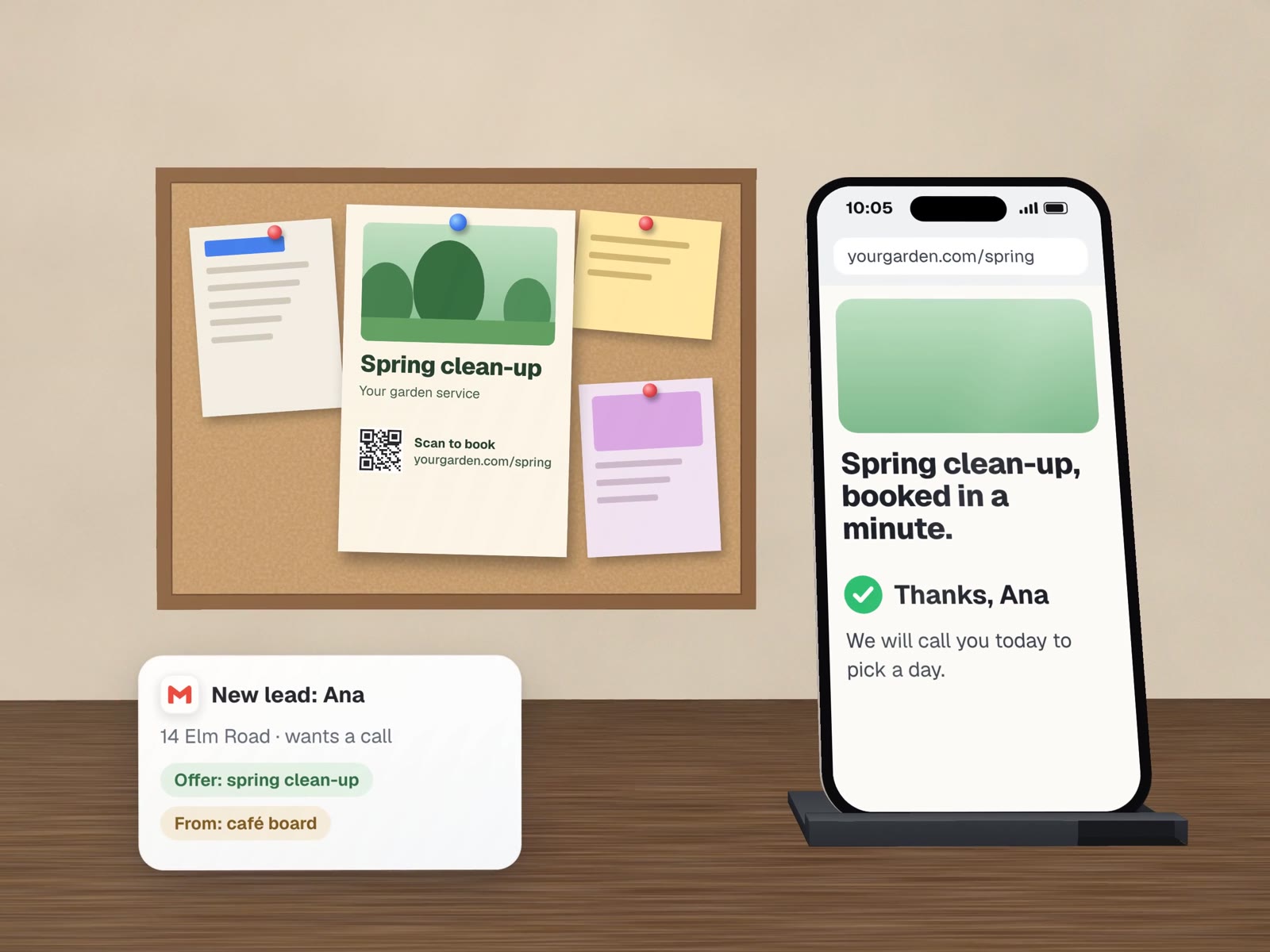
One offer, one page, and you'll know which flyer worked.
A short page for each promotion, with one action on it. Every lead that comes through is tagged with the offer and the place the link came from.
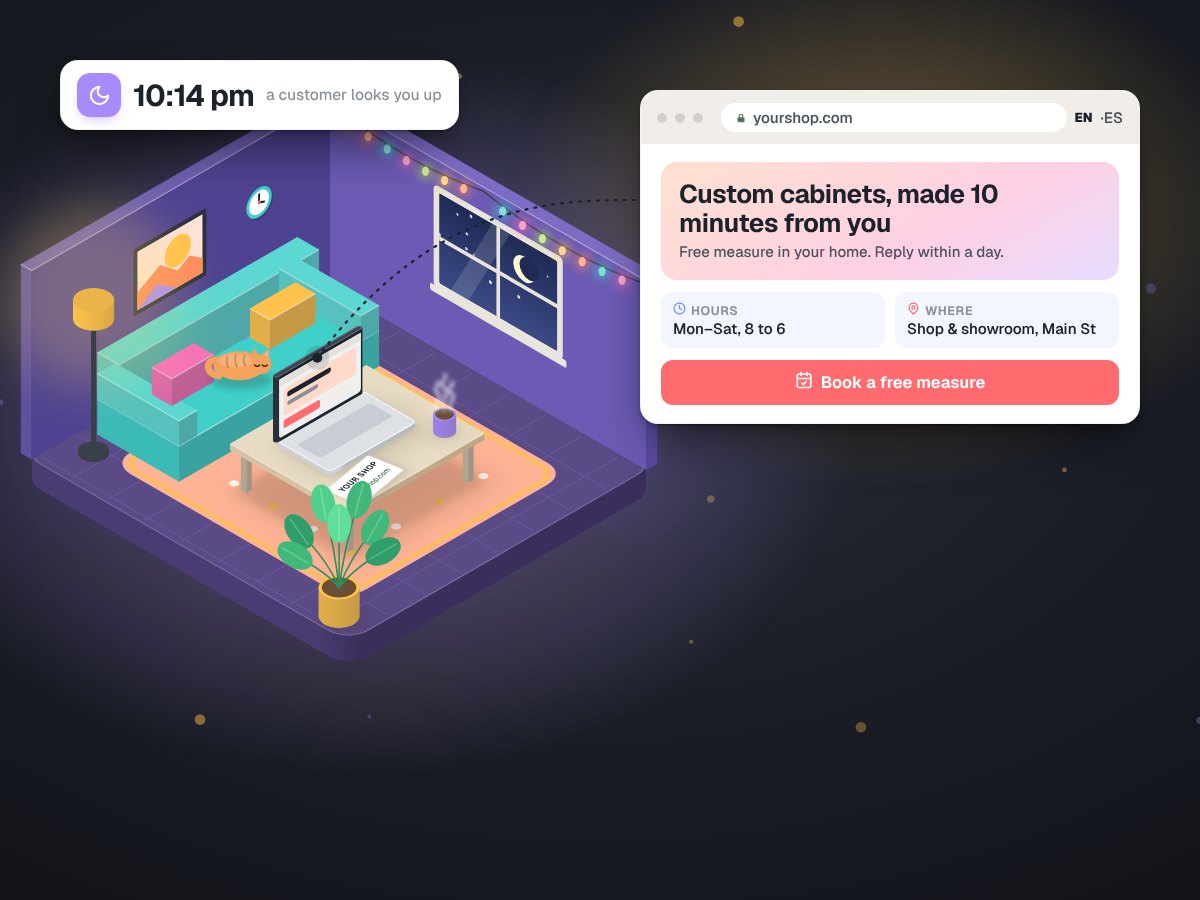
Four parts. Anything else is a distraction.
A sample for a generic heating and cooling company. Your page follows the same four parts with your words and your photos.
- One headline, one offer. The same words as the ad, flyer or email that sent the visitor here.
- Real proof. Your work, your crew, your numbers. Nothing from a stock library and no invented reviews.
- Three lines. What it is, who it is for and when it ends. If it needs a fourth line, it needs a second page.
- One action. A short form or a call button, and no menu leading off the page.
Four things happen without anyone touching it.
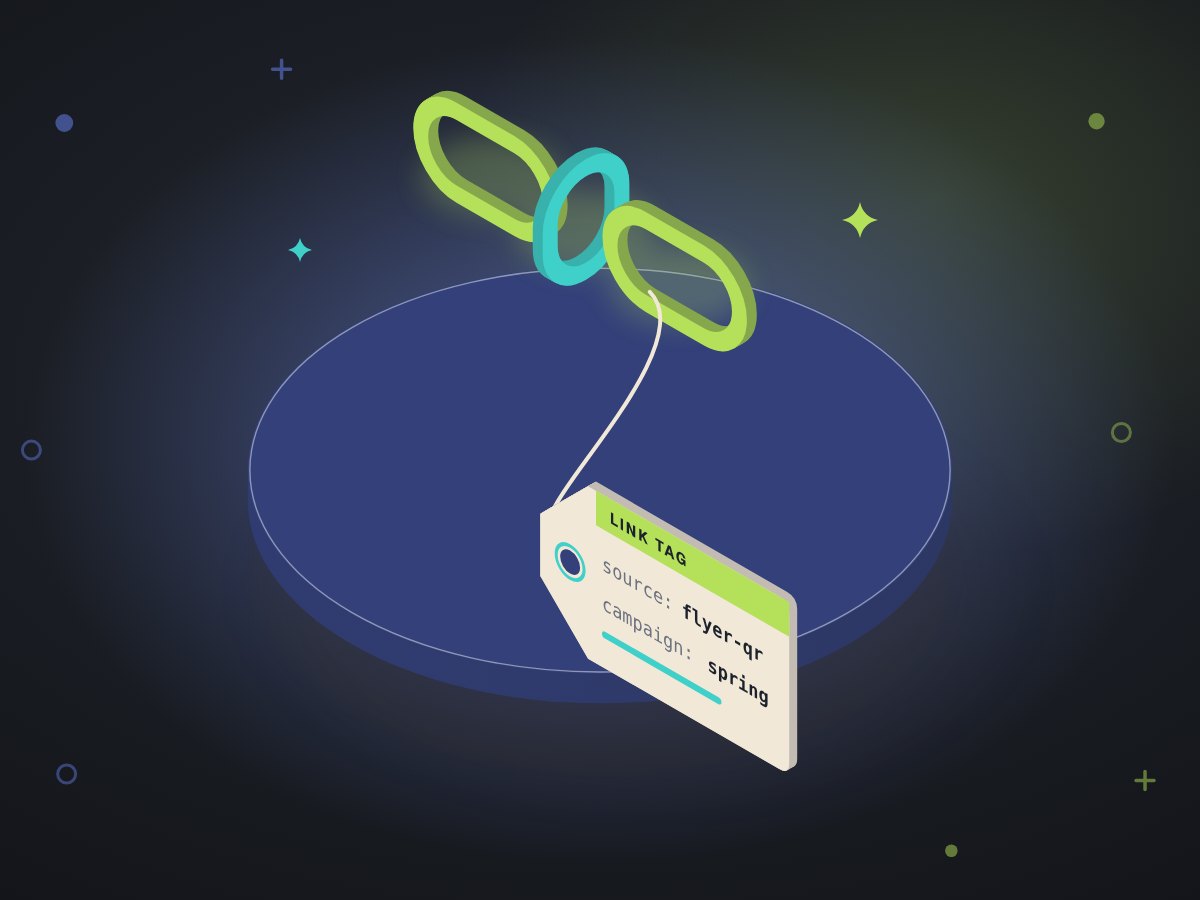
Every link carries its own return address.
Standard UTM tags on every link you hand out: flyer QR codes, posts, emails. Your analytics and your CRM both read them.
 Google Analytics
 HubSpotGoHighLevel
| Tag | What it records | Sample values |
|---|---|---|
utm_source | Where the link sits | flyer-qr, instagram, newsletter |
utm_medium | The kind of channel | print, social, email |
utm_campaign | The offer itself | spring-tune-up |
utm_content | Which version, if you test two | photo-a, photo-b |
yourdomain.com/spring-tune-up?utm_source=flyer-qr&utm_medium=print&utm_campaign=spring-tune-up
Planned in full, not yet built for a client.
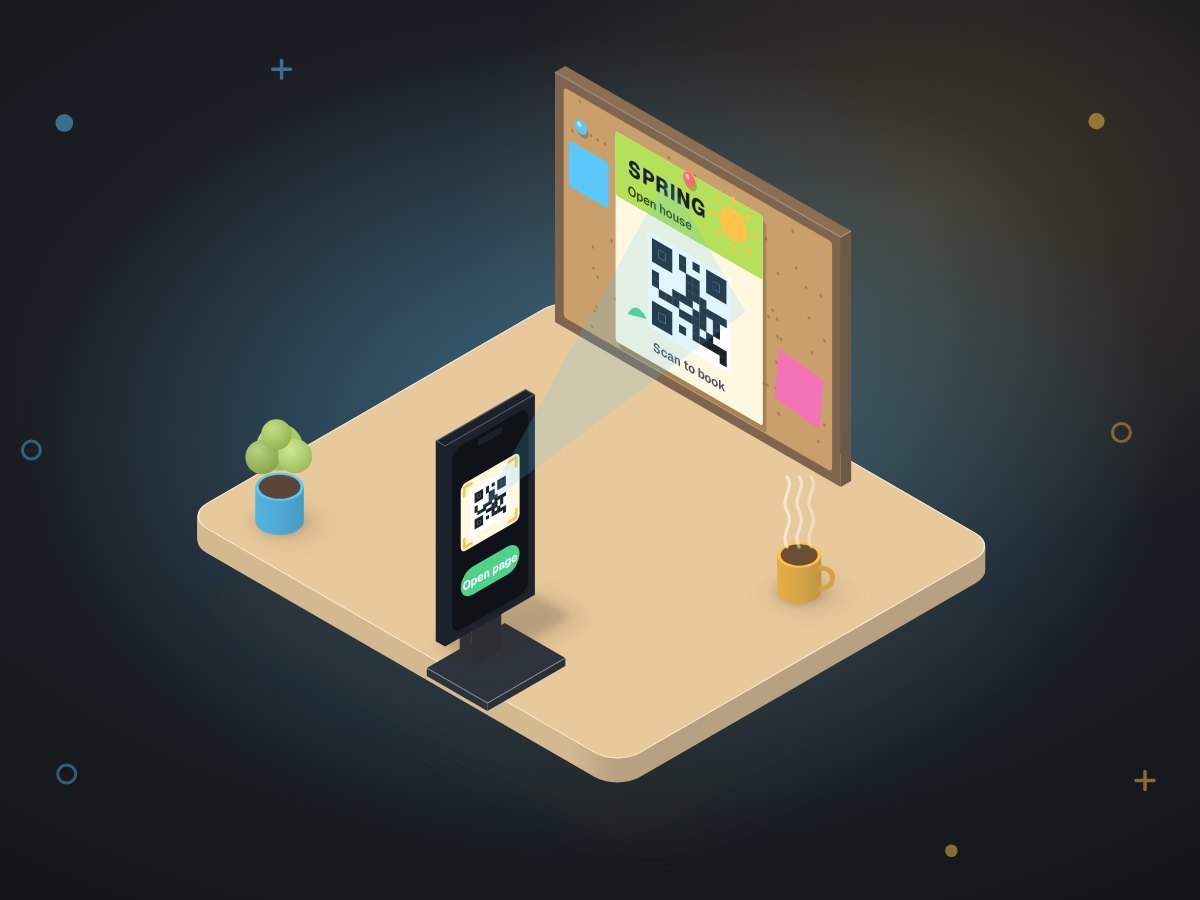
We have written the complete plan for this setup: page structure, the submit workflow, tagging, owner alerts and the weekly checks. No client page is live yet, so this is how we'd build it, not a result we can show.
What you get:
The page or pages
One per offer, each with one action.
The form, wired
Sent to your inbox or CRM with the tags attached.
Alert and confirmation
A ping to you, a message to the person who asked.
A sheet of tagged links
Ready for print, posts and email.
A weekly count
Leads by offer and by source.
Tags written by the form
Nobody types or cleans them up.
What it won't do: a landing page converts attention you already have. It does not create the attention, and we won't promise a conversion rate.
About promotion pages.
Why not send the ad to our home page?
Because the home page has to serve everyone, and an offer page serves one person with one question. Separate pages also tell you which offer worked, which a busy home page cannot.
Can we add paid ads later without rebuilding?
Yes. We leave a slot for an ad platform's tracking code, so you can switch it on when you start advertising and leave it off until then.
How long should a promotion page stay up?
As long as the offer is true. When it ends, the page should say so and point to what replaced it, rather than vanish and leave printed QR codes leading nowhere.
Do landing pages need their own domain?
Rarely. A clean path on your main domain is easier to trust. Separate sending domains matter for bulk email, which is a different job.
Where the leads go next
The systems that pick up what these pages collect.
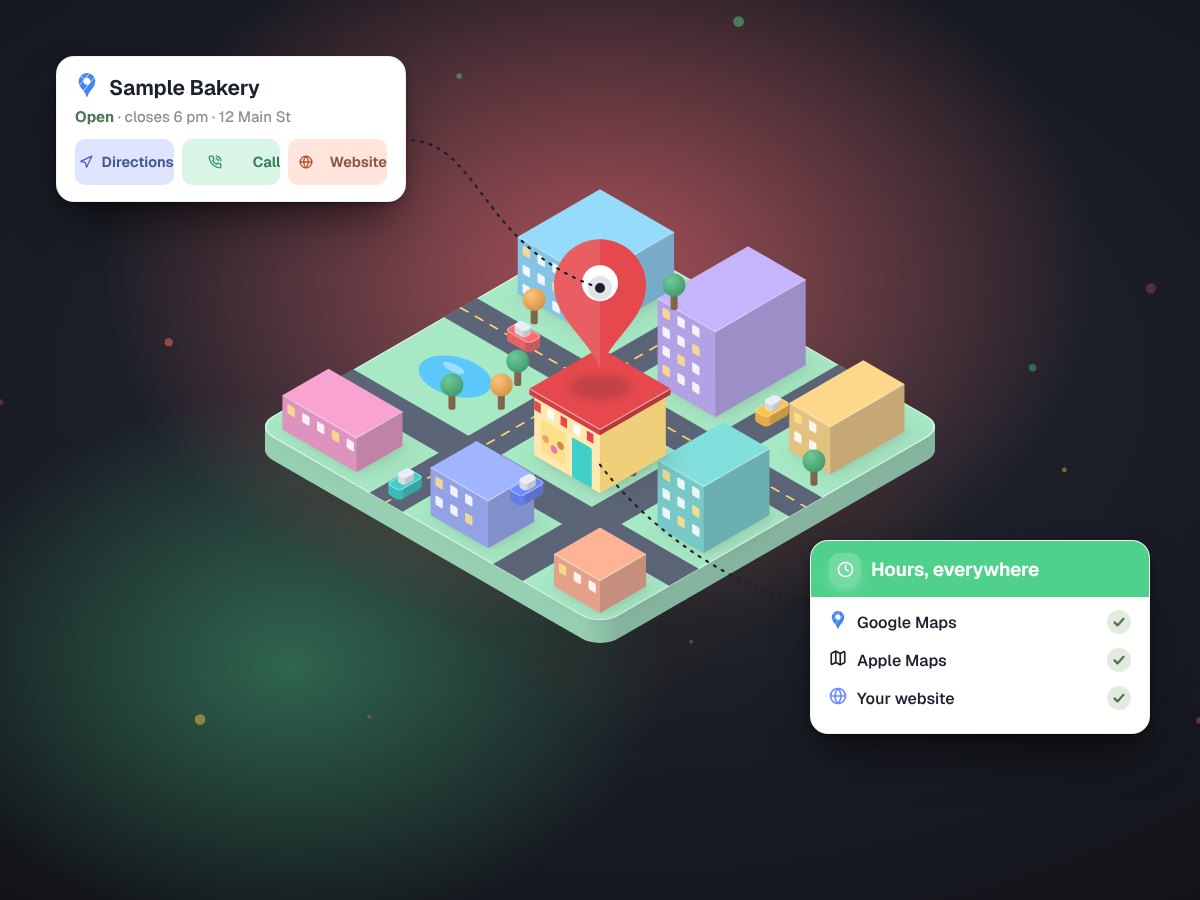
Running a promotion next month? Let's make it countable.
Bring the offer and where you plan to share it. The first call is free.