Find out if it's worth building before you pay to build it.
A new product line, a data business, a system that would change how you sell. Before money goes into building, we answer six questions in writing and agree, on day one, the number that would make the answer no.
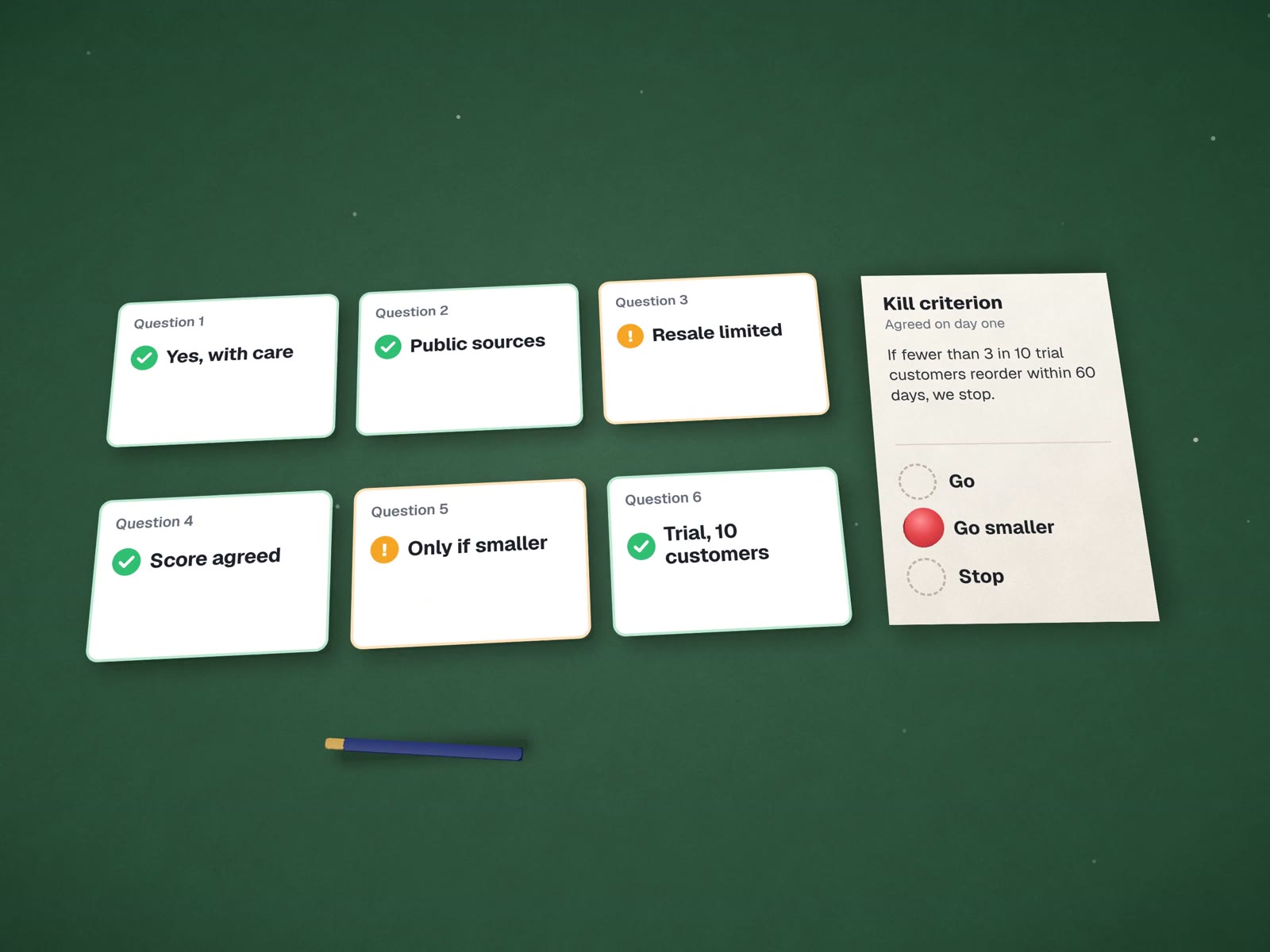
Six questions, answered in this order.
The order matters. If the rules say no, there is no point pricing the build.
Are we allowed to?
The rules that may apply, read from primary sources and summarised in plain language for your lawyer. Not legal advice, but it tells you which questions to ask.
Where would the inputs come from?
Data, suppliers, platforms: which sources exist, which are free and public, and what each one's terms allow you to do with it.
What do the vendors' terms actually say?
Resale rights, usage limits, invite-only programmes. The fine print that kills ideas after launch.
How good is good enough?
A quality score for the output, so "it works" means a number, not a feeling.
Do the economics hold?
Cost per unit, the volume needed to matter, and what has to be true for it to pay.
What is the smallest test?
A first phase small enough to run cheaply and large enough to hit or miss the kill line.
The number that ends the project, written down first.
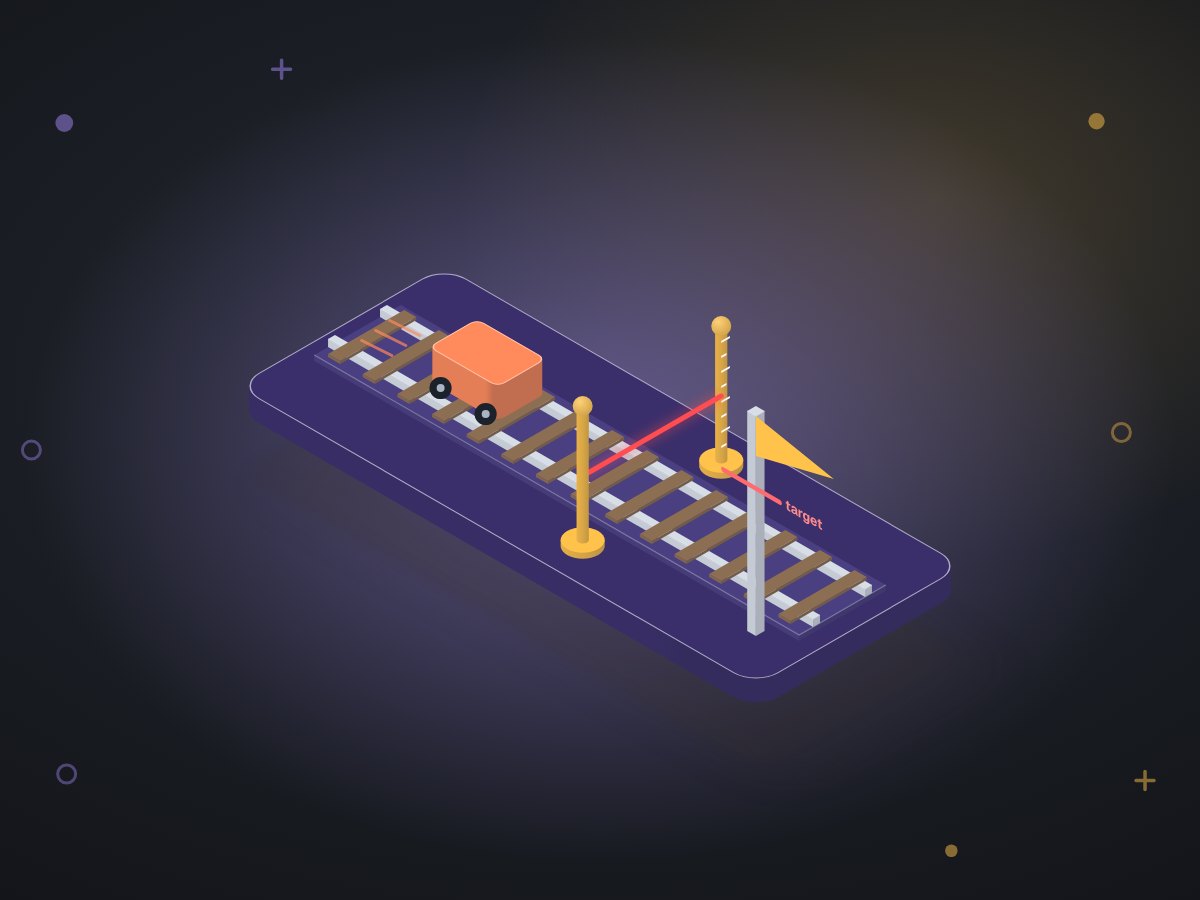
Studies drift toward yes once people have spent time on them. So before any work starts, we agree one measurable line. If the first test falls below it, the recommendation is to stop, and everyone already agreed to that.
Sample kill criterion · made-up example
If fewer than 3 in 10 trial customers reorder within 60 days, we stop and recommend against launching the product line.
- Agreed
- Before the trial starts
- Measured on
- A small trial, not a full launch
- If it misses
- The study ends with a written no and the reasons
We used this structure in a recent study: the rules first, public sources checked, ten vendors' resale terms read, a quality score, a database design, unit economics, and the stop line fixed before the first records were pulled. The client and its findings stay private; the method is the part you are buying.
Three ways a study can end.
The rules allow it, the inputs exist, the numbers hold. You get the build plan and the first phase, already scoped.
Part of the idea works. Often a narrower market, one channel instead of three, or a manual first version.
A clear no, with the reason. Cheaper now than after the build, and the research stays yours.
"Can we sell this on a big marketplace?"

A seller of professional supplies asked whether its product kits could go on a large online marketplace. We checked the claims against primary sources rather than forum posts, and found the answer turned on details only the seller knew:
- Packing and origin decided itWhether registration rules applied depended on how the product was packed and where it came from.
- The wrong kind of waitA timeline that had been quoted as a regulatory wait was actually a trademark timeline.
- Invite onlyListings for professional-use products were invite-only, with the seller shipping orders itself.
The study ended with two questions for the seller and a plain-language summary for their lawyer. It is not legal advice, and it saved months of guessing.
Before and after a go decision
Studies, plans and what gets built next.
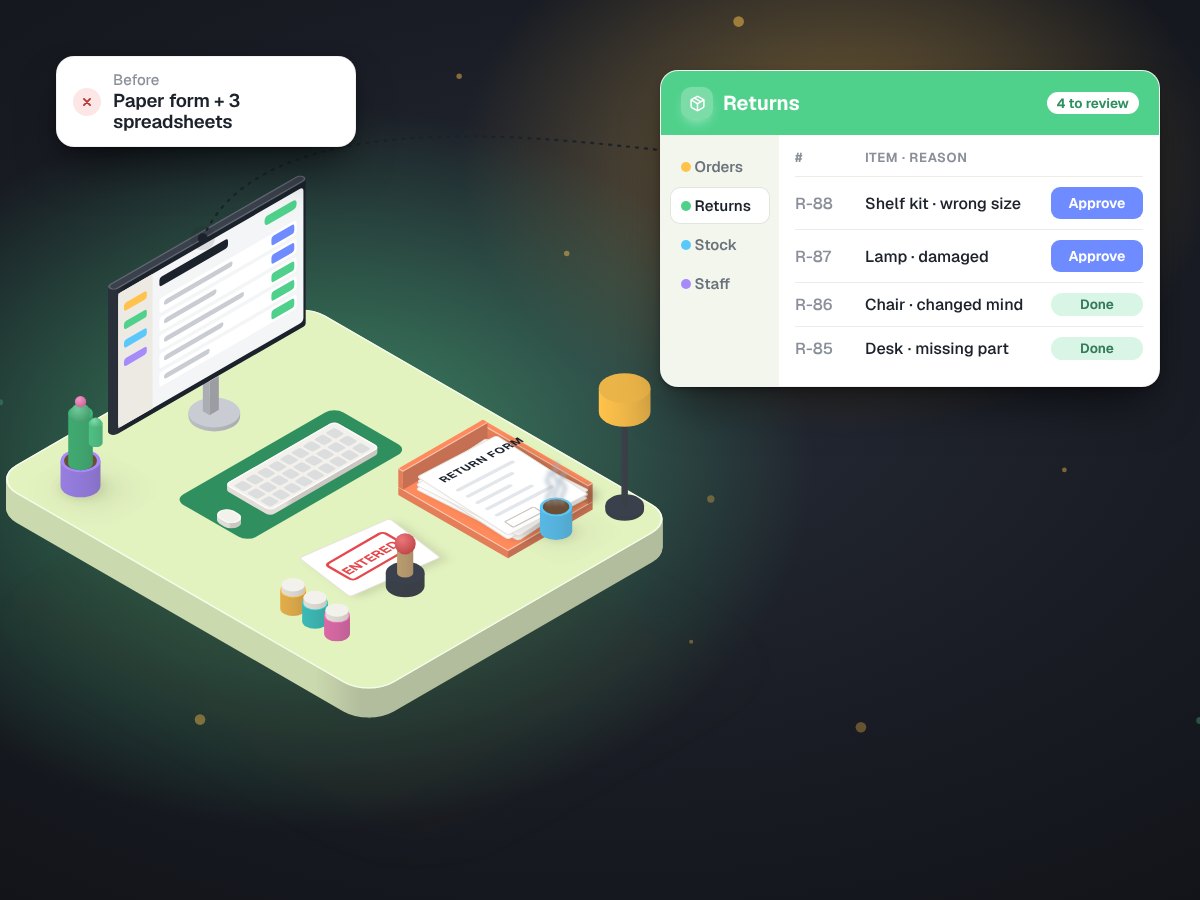
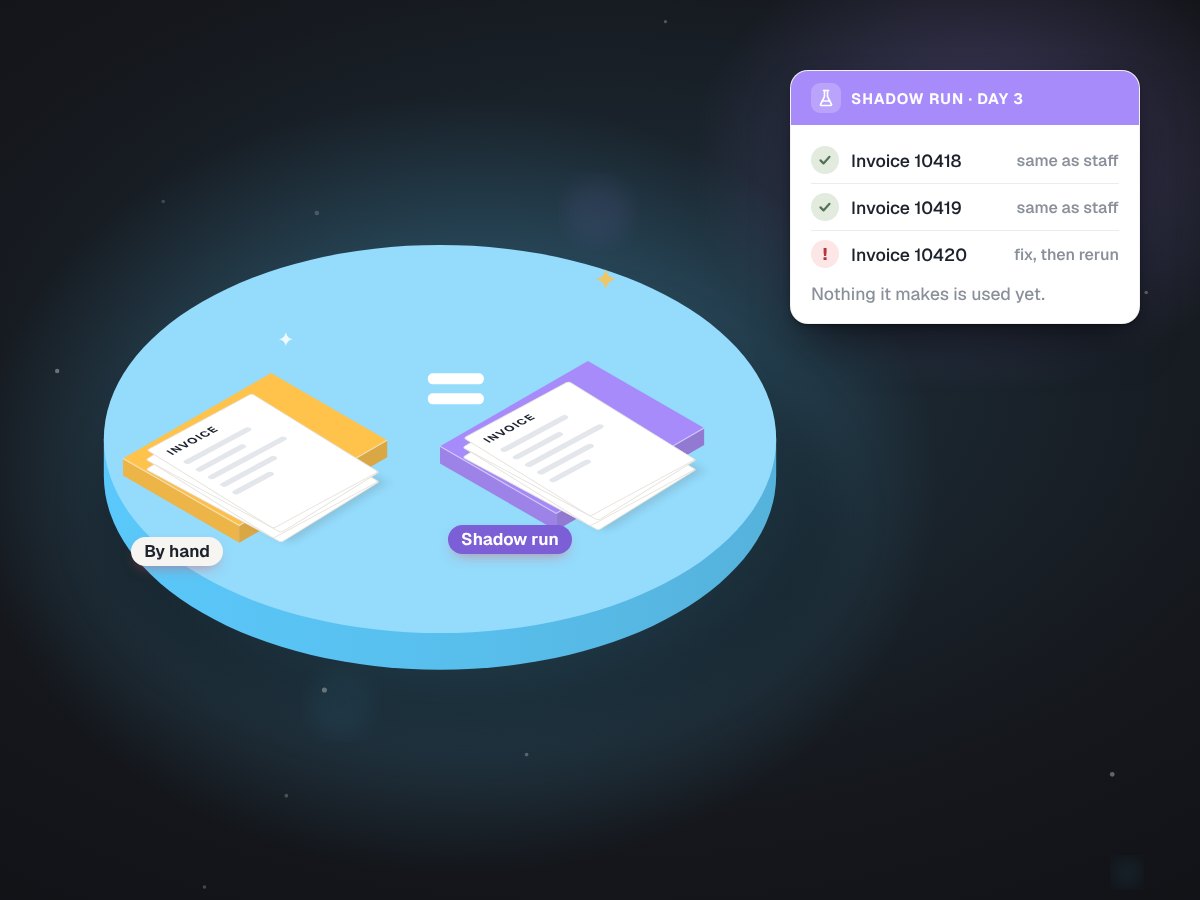
Have an idea that would cost real money to build? Test it on paper first.
Describe it on a free call. We will tell you which of the six questions worries us most.