MUVES OS: 34 agents, one review gate, nothing sent on its own.
Built in-house at MUVES. It is the system two founders use to run a company of two, and the working model for what we build for clients.
Custom software, at work.
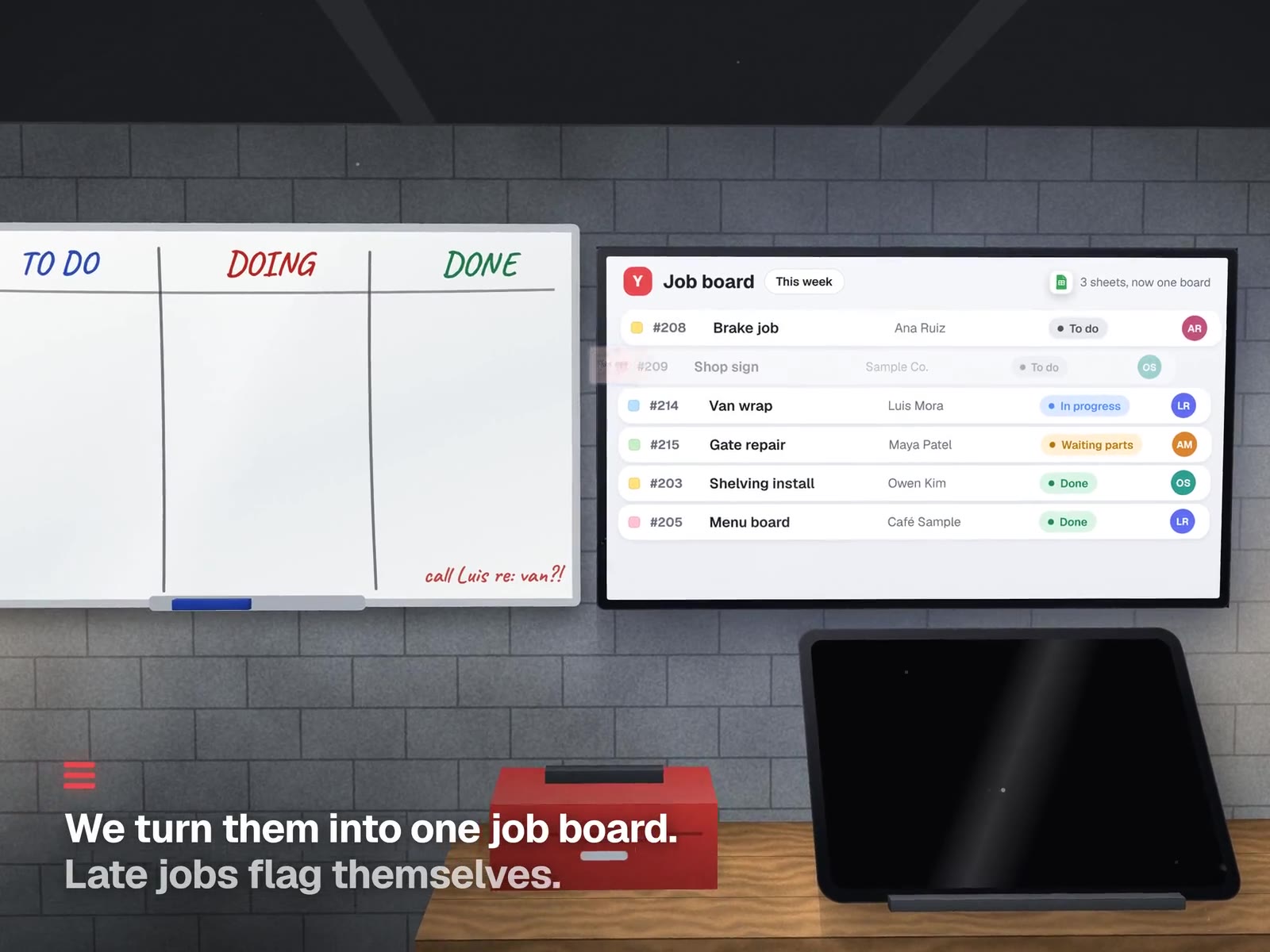
- Built
- A background service and a one-page dashboard that route, draft, review and remember
- Stack
- Node.jsSQLiteOllama (Qwen, Gemma)
 ClaudeCodex
 Gmail
 Calendar
 GitHub App
- Timeline
- Built and extended through 2026
- Status
- In daily use on one office PC
- Scale
- 34 agents in 9 departments, 62 automated checks
Two founders, every job in the company.
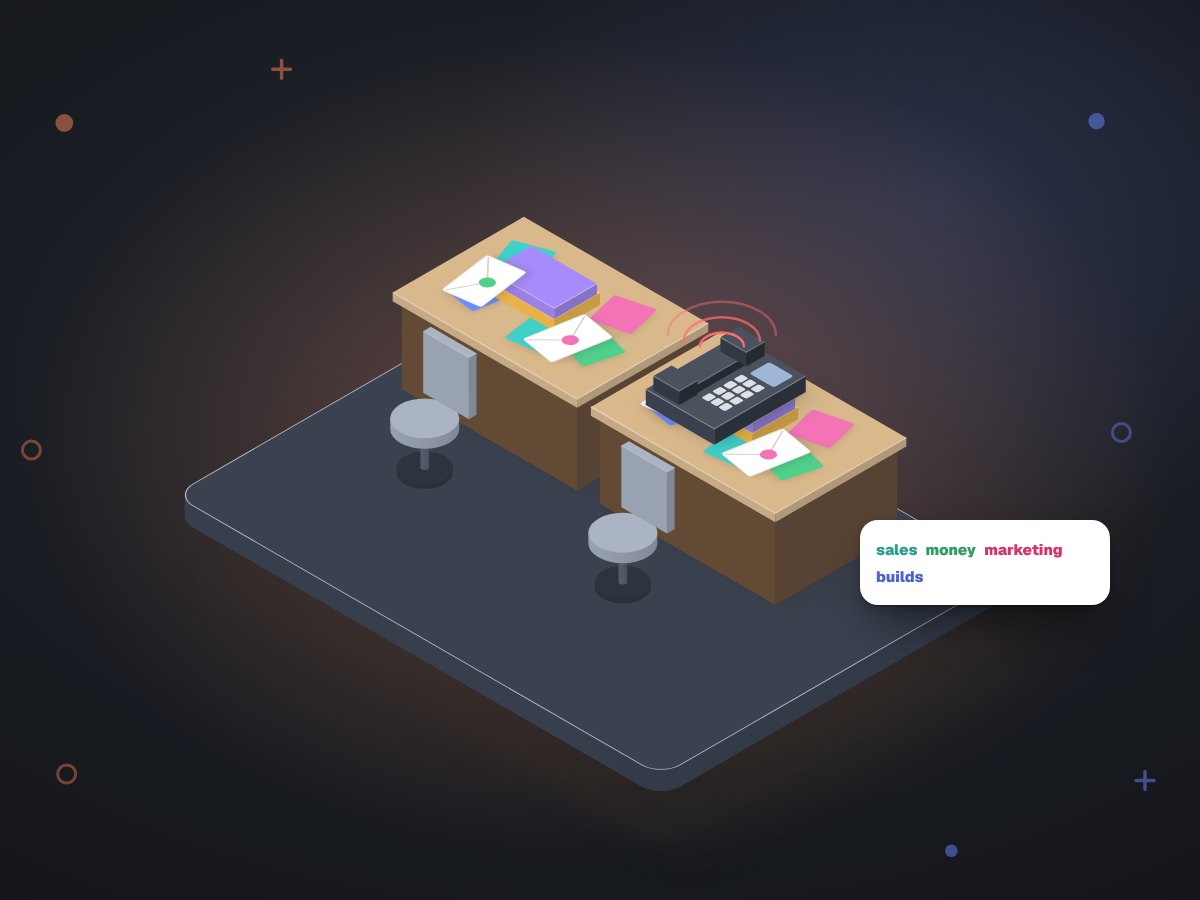
Clients, builds, research, follow-ups, money and marketing all land on the same two people. The routine part of that work, first drafts, sorting mail, filing notes, checking numbers, piles up fastest.
We wanted AI to take that routine on without ever letting it speak for us unchecked, and without paying top-model prices for small talk.
One assistant at the front, a company of agents behind it.
We talk to one assistant, Arthur, by text or voice. Behind him, each request is sorted, routed, drafted, reviewed and remembered.
A local front door
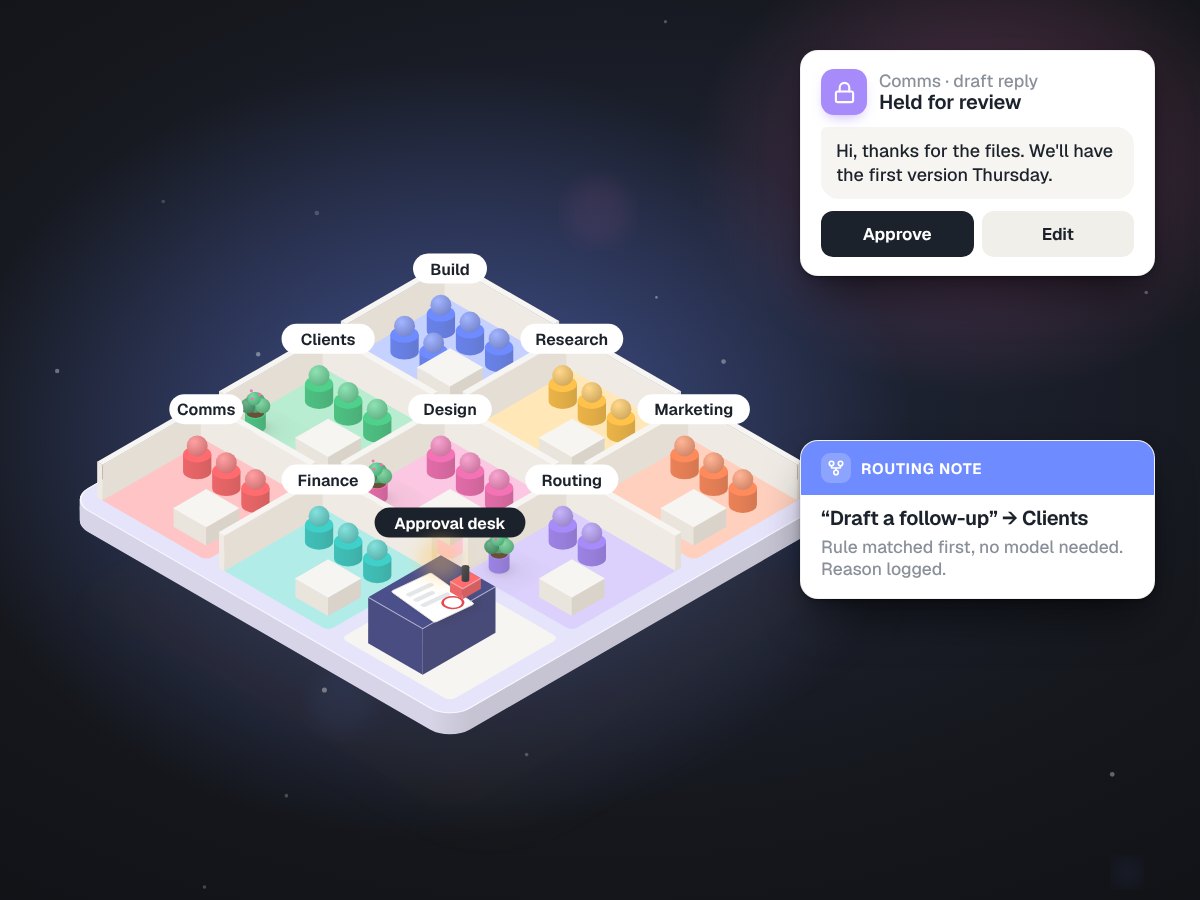
Small talk is answered on the PC without calling any cloud model. Everything else is sorted by plain rules first and a model second, because rules are free and never guess.
A model router that explains itself
decide.jspicks the engine from the live allowance, which engines are up, whether the work is graded, how each model has done lately and which local model is already loaded. It writes down the reason every time. Jobs over 6,000 characters go up a tier automatically.Departments of agents
34 agents in 9 departments, each with a narrow job and its own instructions. House style is applied before anything is shown.
A review gate
Answers meant to leave the company are held while the department head reviews them. Then they wait for a person. Nothing is ever sent on its own.
Memory that comes from finished work
When a job is done, what the agent learned becomes a note for next time. Agents can also propose small skills, which a reviewer agent accepts, replaces or rejects before any reaches a prompt.
An overseer with no model
A separate process watches the database read-only for stuck, doubled or misfiled work. It has its own case study.
Route on the cost of being wrong.
Not on the cost of the model. A wrong answer to small talk costs nothing. A wrong email to a client costs a lot.
| Tier | Where it runs | Typical use |
|---|---|---|
| Local | Qwen and Gemma on the office PC's graphics card | Sorting, tagging, pulling fields out of text. Nothing leaves the building |
| Codex | Cloud | The next step up, often for code |
| Smaller Claude | Cloud | Everyday drafting that someone will read |
| Best Claude | Cloud | Work that is graded, long, or expensive to get wrong |
Every workflow starts human-led and has to earn the next step.
Each repeatable job is written down with its steps, the agents that do it, what it replaces, what the person still owns, and where it sits on a three-step ladder. Moving up is a decision we make, not something the system does.
Human-led
A person does the work. Agents fetch, sort and prepare.
Human-assisted
Agents draft. A person reviews, changes what needs changing, and sends.
Autonomous
Agents finish the job and report. Client follow-up is marked "never autonomous" and stays below this line.
A normal day with it.
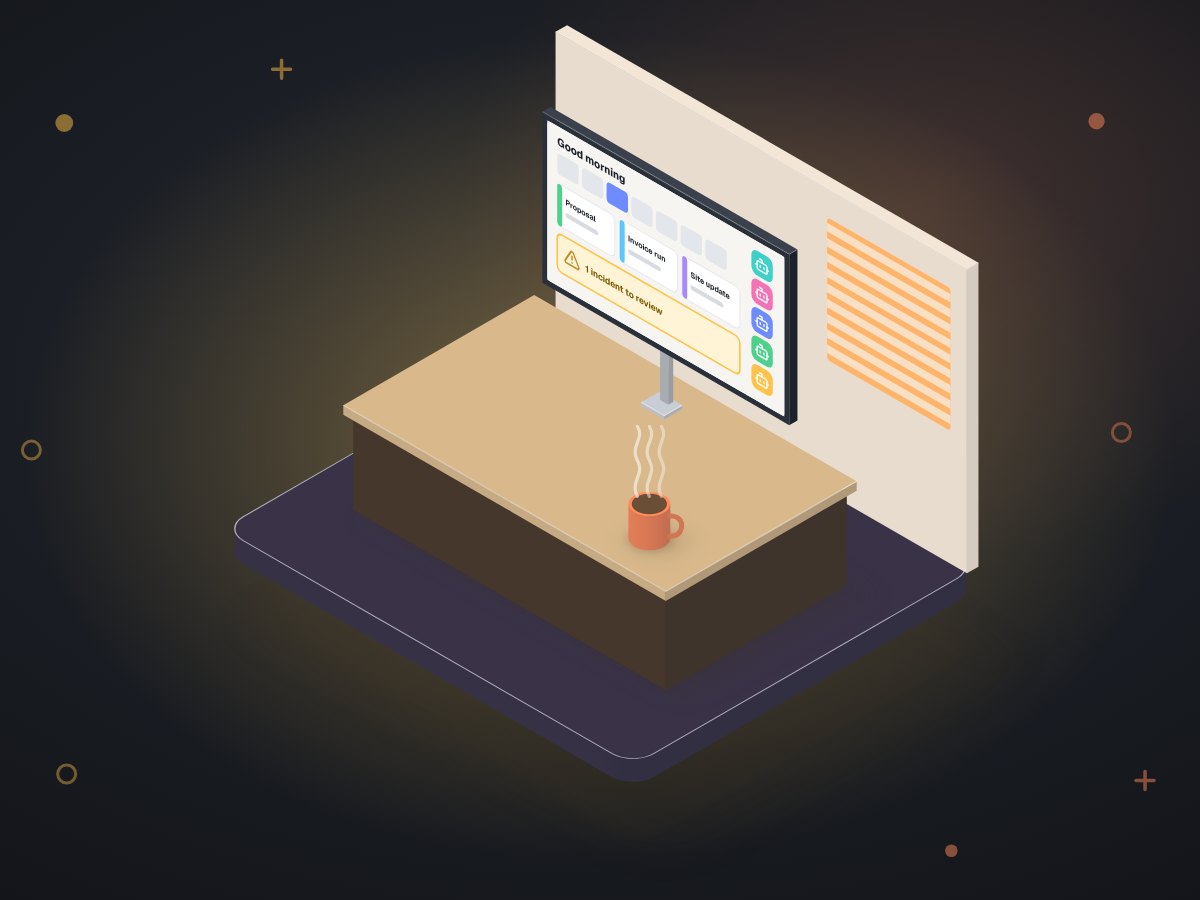
- MorningThe home screen shows a brief built from the calendar, deadlines and any open incidents.
- All dayConnected Gmail accounts are checked every 3 minutes using only the sender, subject and preview. Promotions are skipped. Phone alerts say that something needs us, never what it says.
- When something stopsThe service restarts itself and the local model engine, with limits: never twice in 10 minutes, at most three times an hour, so a real fault is not hidden by endless restarts.
- SpendingUsage is read from the providers themselves, never estimated, and part of each week's Claude allowance is kept back for us.
- SecretsAnything shaped like a password or token is stripped before an error is stored or shown, and a scan checks every push for secrets.
A company of two with a back office.
The honest result is a habit more than a number: one of us asks, the system drafts, one of us approves. We write about running it in How two people run a company with 34 AI agents.
A smaller version fits most offices.
Most businesses do not need 34 agents. They need three or four with the same bones: a front door, a router, a review gate and a log.
| For | The first agents we would set up |
|---|---|
| A law or accounting firm | Inbox triage, a document-request drafter, a deadline brief. Client mail always waits for a person |
| A property manager | Maintenance-request sorting, owner update drafts, a lease-date brief |
| A young software company | Support triage, release-note drafts, a router that keeps simple questions on a local model |
The parts of MUVES OS, up close
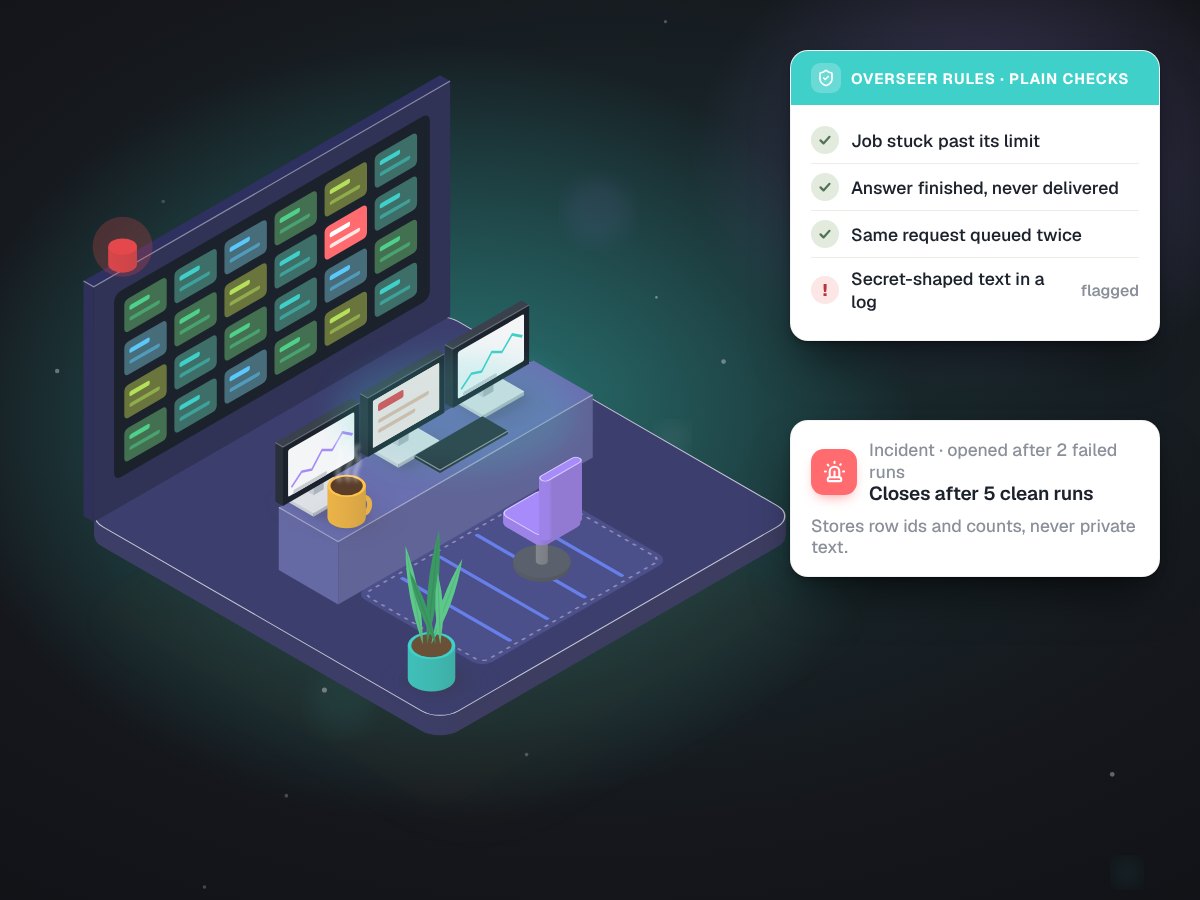
A monitor with no model, and the tests that fixed our agents
Built in-house at MUVES, watching MUVES OS
12 of 12routing benchmark, about 1 s each
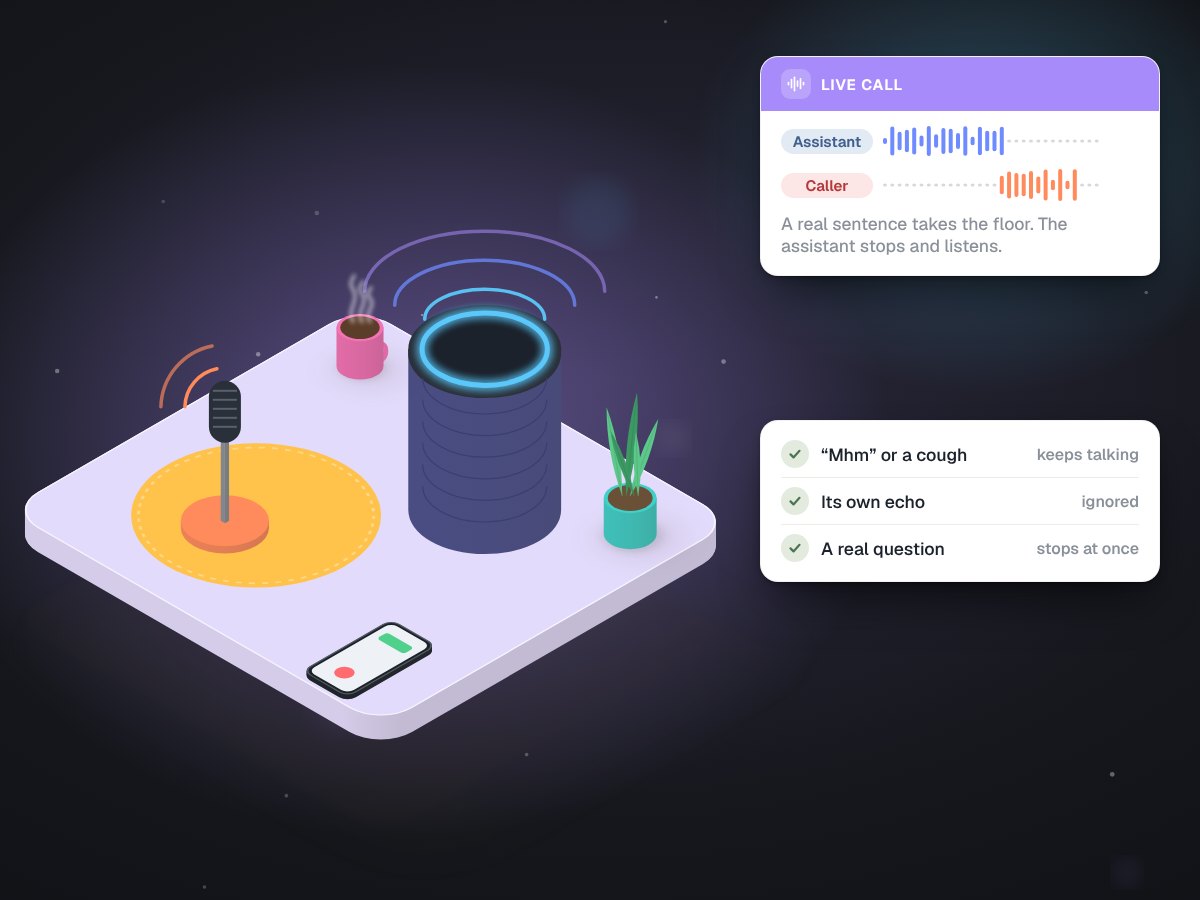
A voice assistant that knows a cough from an interruption
Built in-house at MUVES, the voice of our own assistant
52automated voice checks
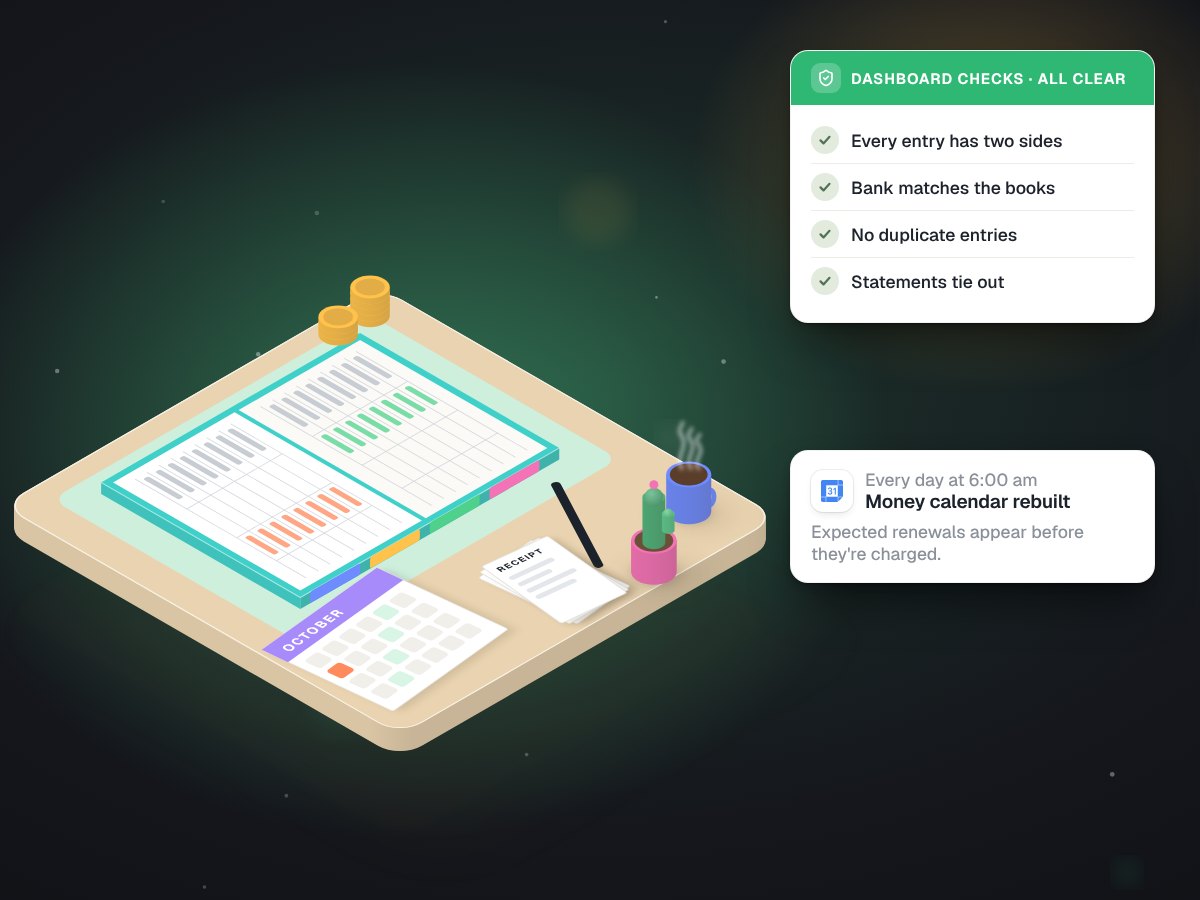
Company books in Google Sheets that check themselves every morning
Built in-house at MUVES, running our own books
6 amcalendar rebuilt every day
Want the routine handled, with you still signing off?
Start with the one routine that eats your week. On a free call we will sketch which agents it needs and where the person stays.