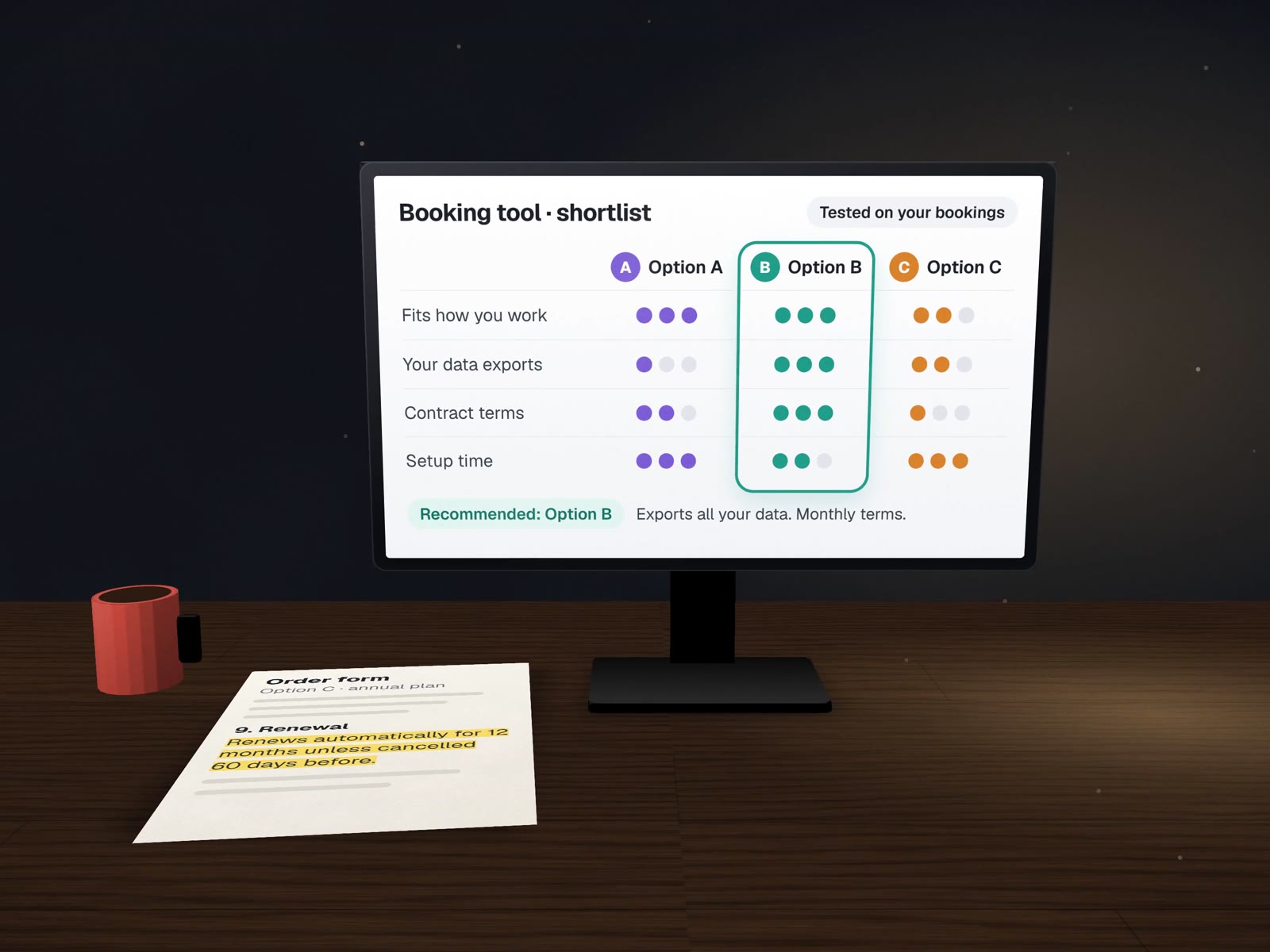
Pick software on evidence, not on the demo.
Every vendor's demo looks finished. We test the candidates against how your business actually works, read the terms you would be signing, and give you a recommendation with the reasons written next to it.
Seven questions every candidate has to answer.
Features come last. Most bad software purchases fail on one of these instead.
- Does it remove a step?
If staff have to do something new to feed it, adoption stalls. The tool has to take work away.
- Does it fit the work as it is?
Tested on your real paperwork and real cases, not the vendor's sample data.
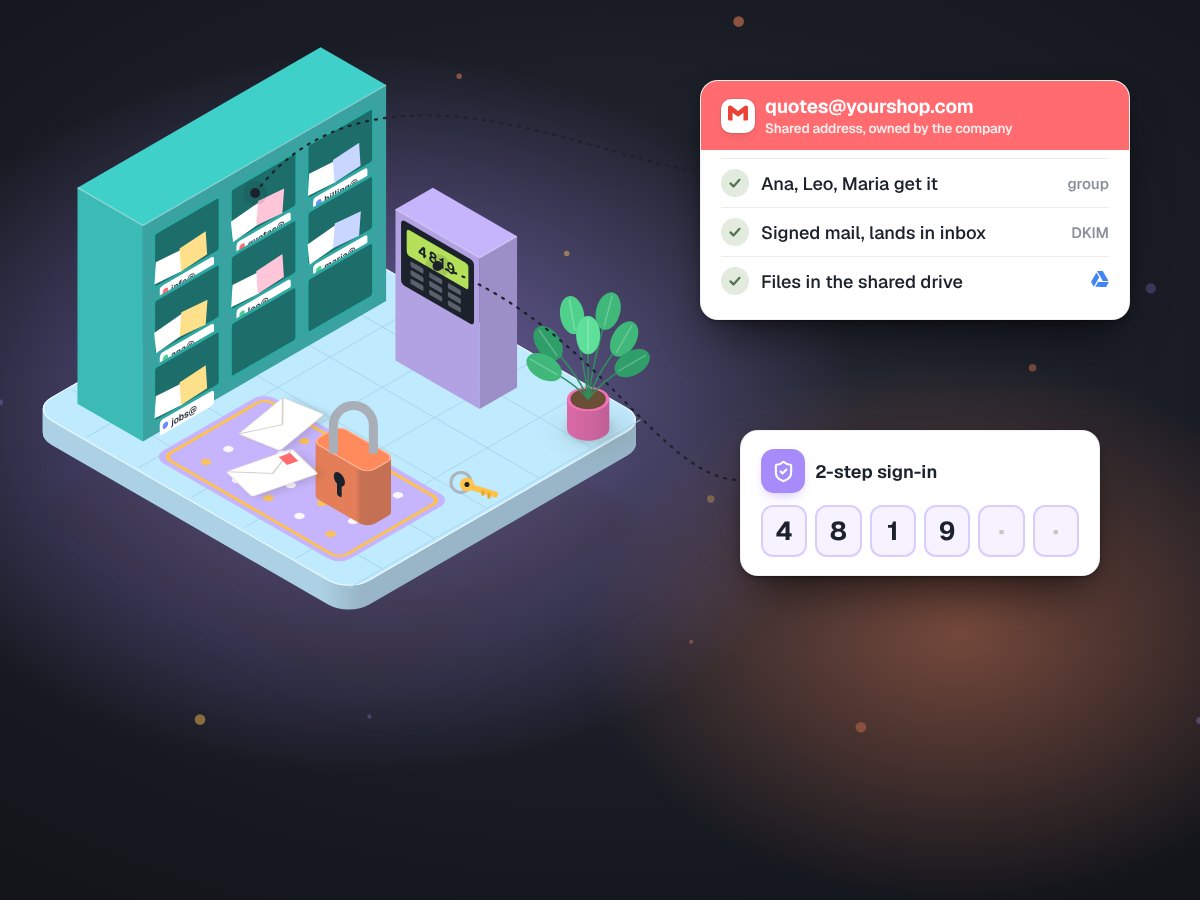
- Is it in the company's name?
The account, the billing and the admin login belong to the business, not to a person or to us.
- Can you leave?
How your data comes out, in what format, and what breaks if you cancel.
- What does it touch?
The permissions it asks for, whether they can be narrowed, and who else can see your data.
- What does it really cost?
The subscription, plus setup time, training time, and the add-ons you will need in month three.
- Who keeps it running?
When the vendor changes something, someone has to notice. We name who.
Five calls we made, with the options we turned down.
For clients and for our own company. The highlighted option is the one we chose.
| The job | Options weighed | Why the winner won |
|---|---|---|
| Courier labels at a dental lab | The first two had been tried and dropped because each added a step. Printing the invoice was already happening. LabelBot | |
| Whose name the courier access is in | The lab owns the access and its own shipping data. We stay a builder, not a middleman. | |
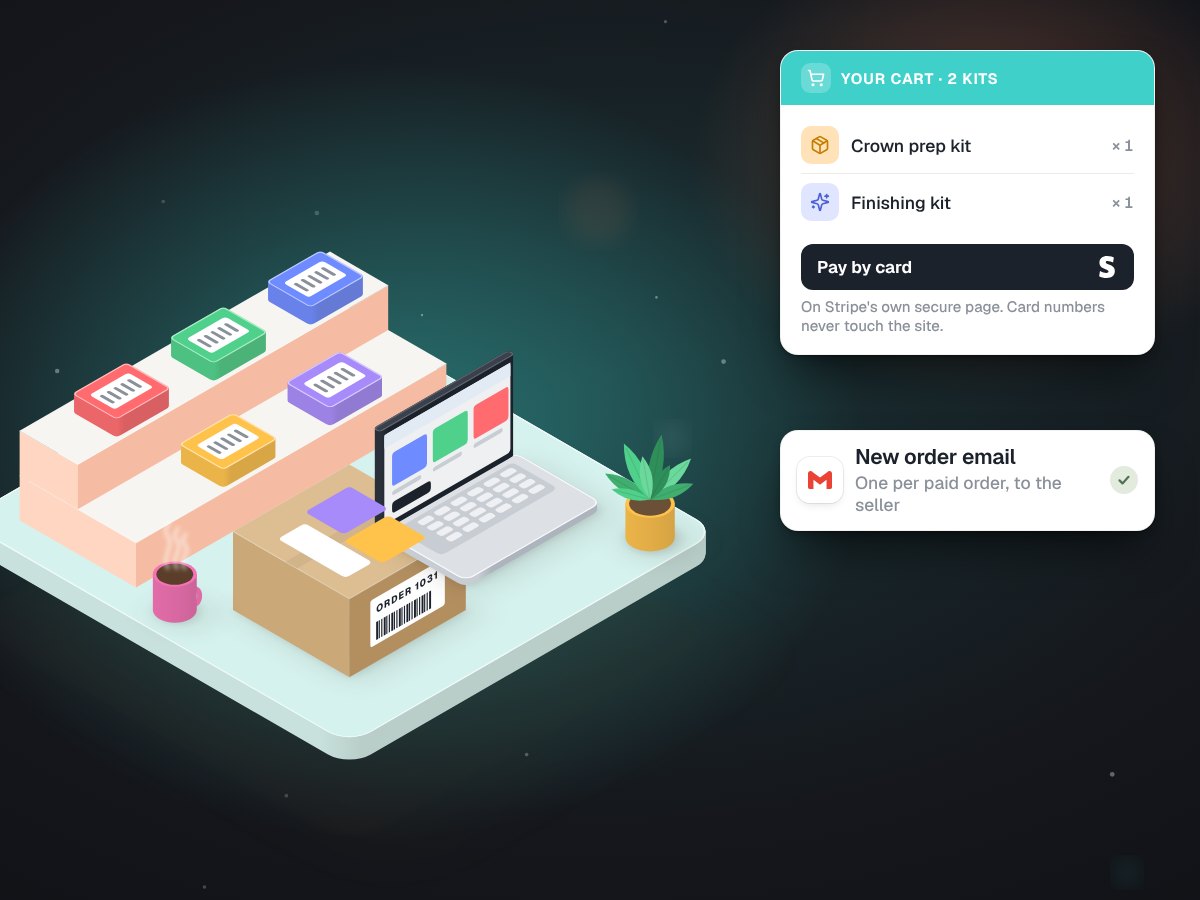
| Card payments for a small online store | Card numbers never pass through the store's website. One trade-off told up front: Stripe does not offer PayPal to US businesses. | |
| Quote requests with artwork, for a sign shop | Handles uploads up to 8 MB and emails the shop, with one fewer account to pay for and secure. | |
| Our own company books | It lives where we already work, refuses duplicate entries, and runs its own checks every day. |
 Stripe hosted checkoutNetlify Forms
 Google SheetsApps Script
We read the fine print so the decision is quick.
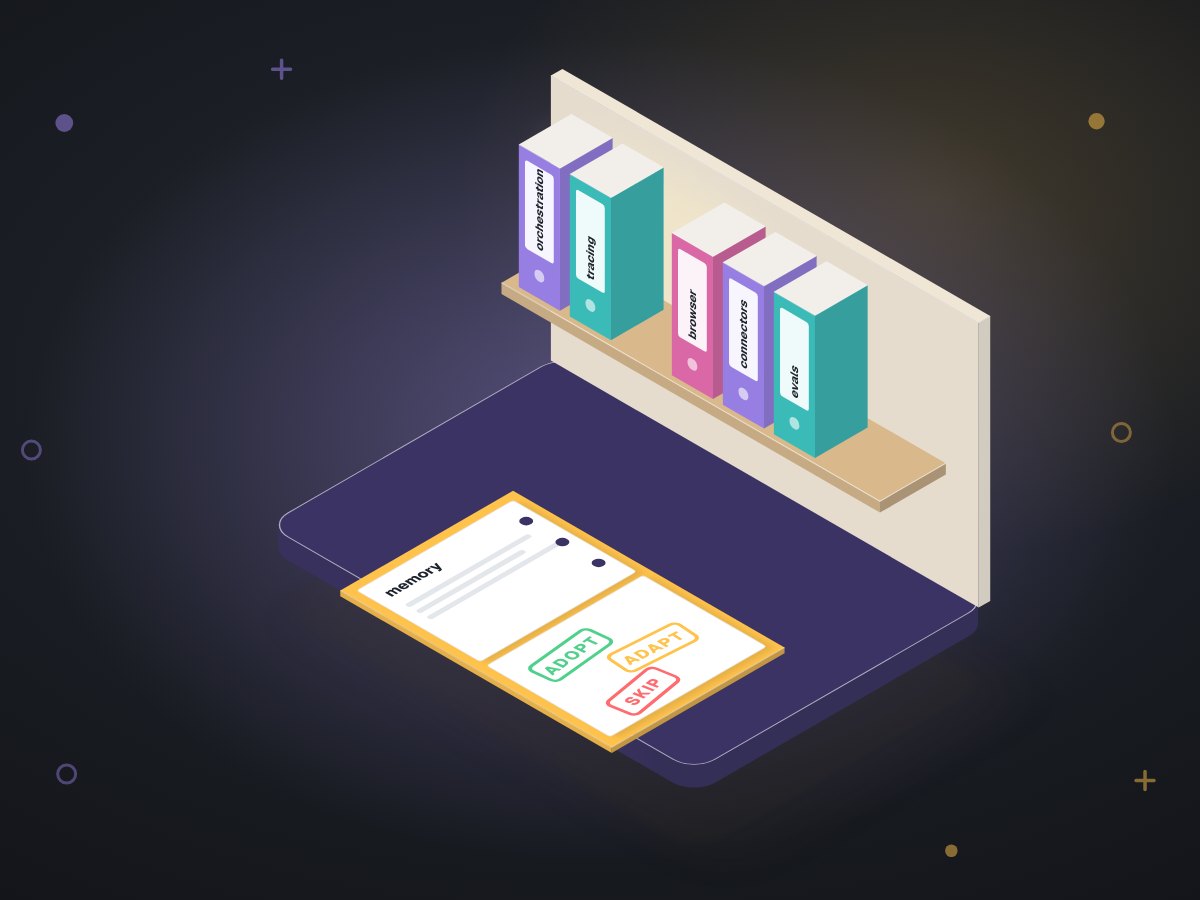
Alongside client work we keep a research library on the tools behind AI systems, each with an adopt, adapt or skip call:
- OrchestrationFrameworks for running several agents together, compared on control and testability.
- Tracing and evaluationHow to see what an agent did and score it against real cases.
- Memory and retrievalKeeping track of where an answer came from, and when to refuse.
- Browser controlIncluding known prompt-injection attacks and which actions need approval.
- ConnectorsEach with the scopes it needs and a risk class:
 Instagram
 Google Business Profile
 Google AnalyticsLinkedIn
 Airtable
 Notion
Some findings are simple and save weeks. One example: WhatsApp has no official connector for AI tools, and the community bridges break WhatsApp's terms. So we only build on the official WhatsApp Business Platform.
 WhatsApp Business Platform
A short memo and a setup plan.
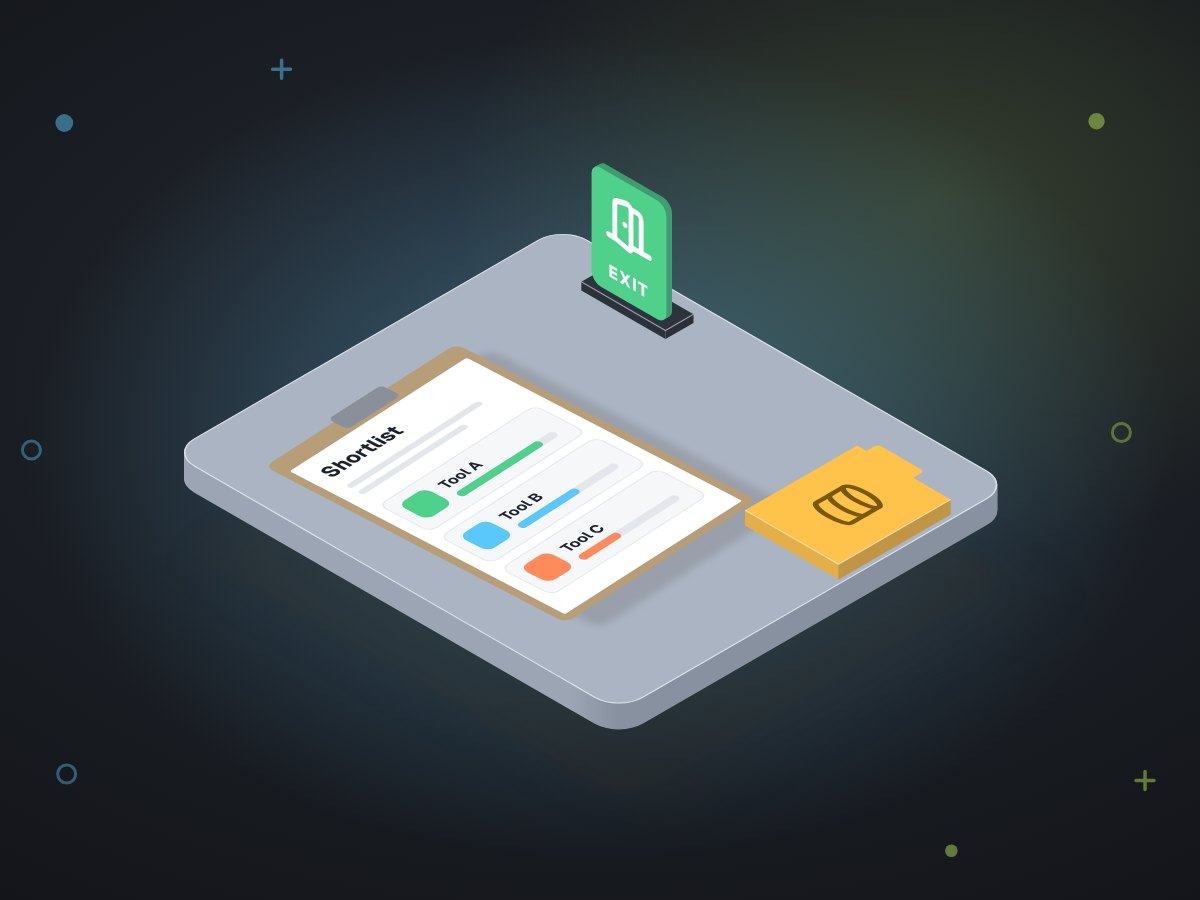
A scored shortlist
On the seven criteria, with the losers' reasons too.
A trial on your own data
Where the vendor allows it.
The terms that matter
Pulled out and explained in plain words.
An exit note
How to get your data out if you ever leave.
A setup plan
Whether we do the setup or you do.
On choosing tools.
Can you check a tool we have already been sold?
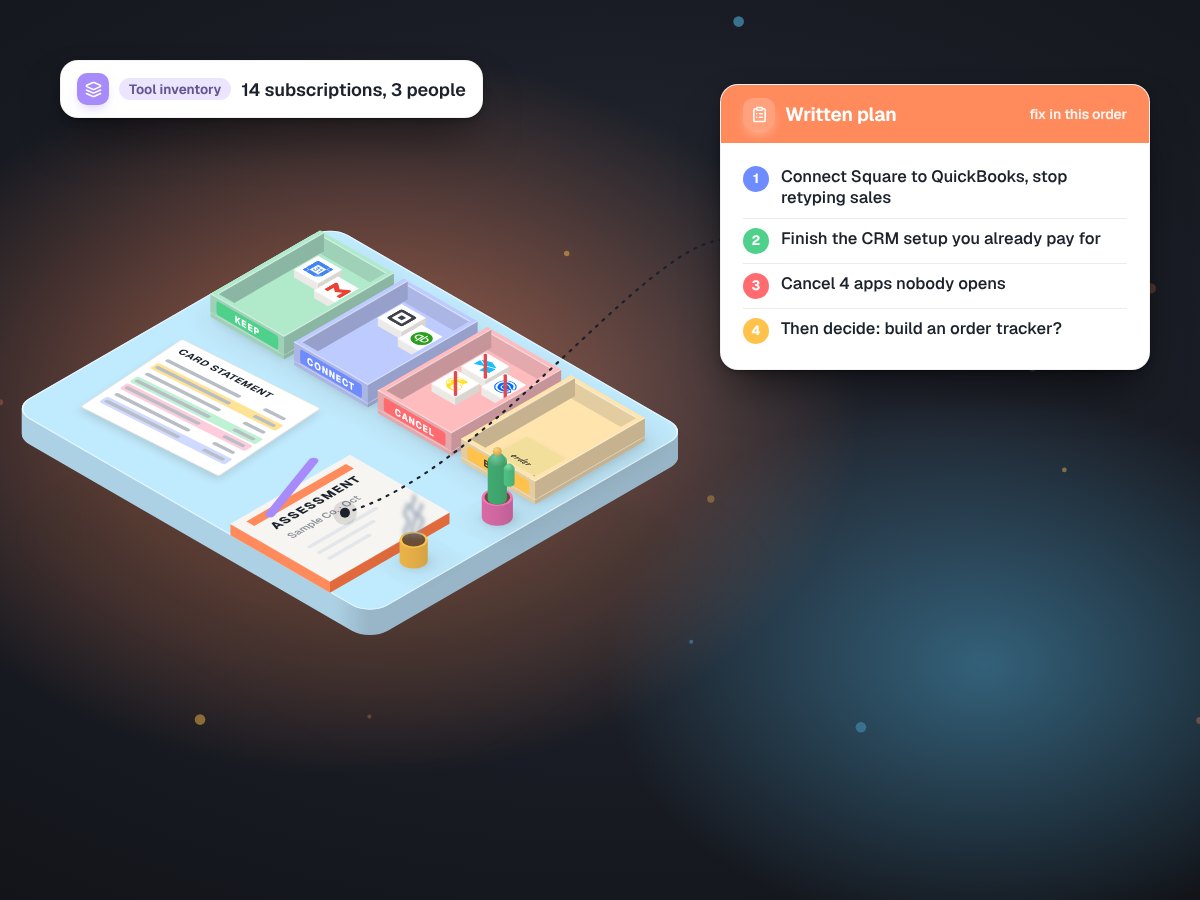
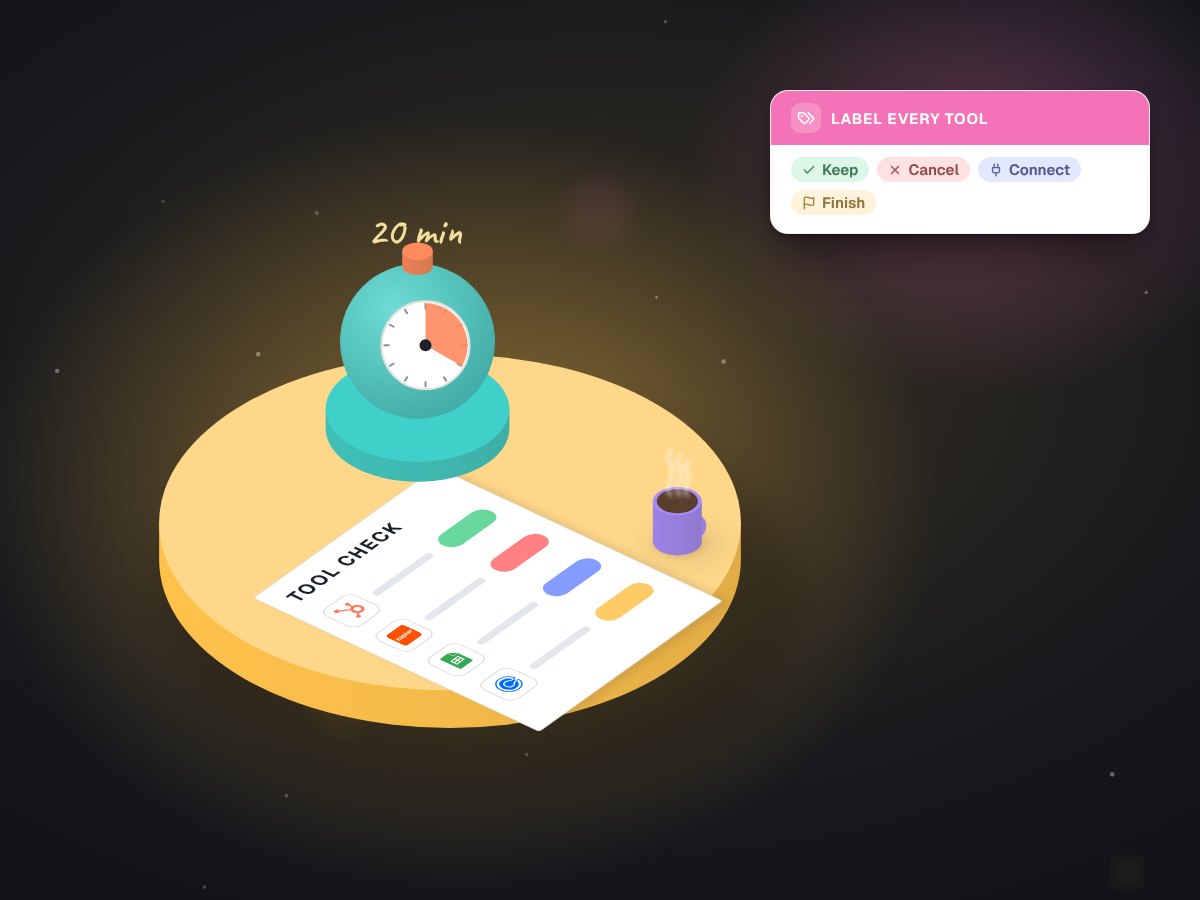
Yes, and it is often the most useful version. We score it against the same criteria as the alternatives and tell you whether to keep it, finish setting it up or plan an exit.
What happens when two tools tie?
We pick the one that is easier to leave. The tie-breaker is how cleanly your data comes out and how few people it depends on.
Before and after the purchase
Where tool choices come from, and where they lead.
About to sign for new software? Get a second opinion first.
Send us the shortlist or the quote on a free call. You will hear what we would check before you pay.