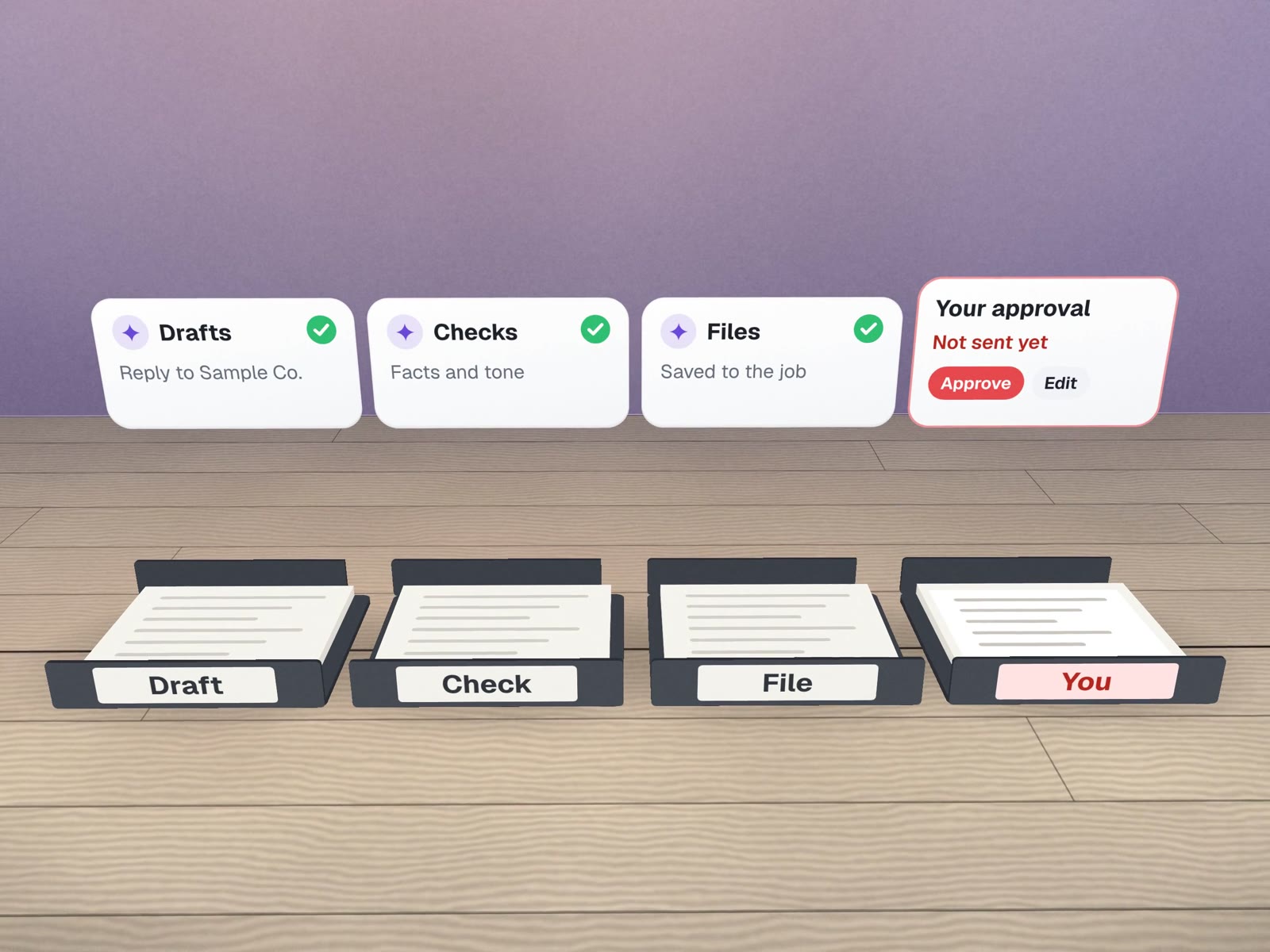
A crew of agents that drafts, checks and files, and never sends on its own.
We run our own company on one: an assistant you talk to, a crew in departments behind it, routing that matches each job to the cost of getting it wrong, and a department review before anything leaves. We build the same shape around your back office.
- Built
- MUVES OS, our own operating system
- Scale
- 34 agents in 9 departments
- Models
- Small local models, Codex, two tiers of Claude
 Claude
- Tests
- 62 automated checks in the main suite
- Status
- In daily use since 2026
One assistant at the front, departments behind it.
Each department has a head that routes and reviews, and crew members that do one narrow job well. This is our real structure. One personal department is left off the picture.
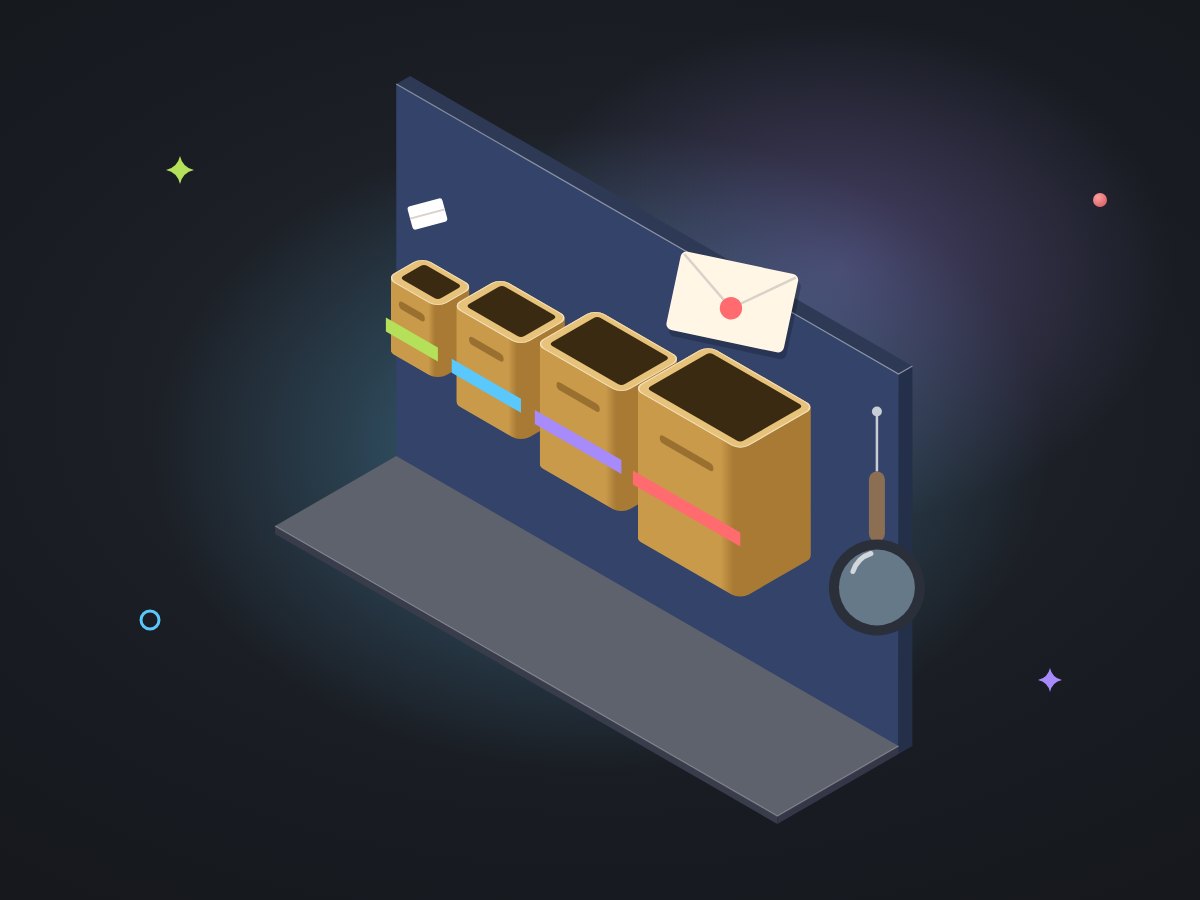
Route on the cost of being wrong.
Not on the department label. A cheap mistake runs on a free model; an expensive one gets the best model and a reviewer.
| Tier | Gets | Why this tier |
|---|---|---|
| Small local models | Routing, sorting, pulling out fields, first drafts | Free and fast on short inputs. Measured: 12 of 12 routing tests right, about 1 second each, once "thinking" mode was off |
| Codex | Code and analysis that no client reads | Real reasoning on a separate allowance, so work keeps moving when Claude is low or down |
| Smaller Claude | Triage that needs judgement, structured updates | Judgement and light synthesis without the top model |
| Best Claude | Decisions, reviews, anything a client reads | Kept for work where being wrong is expensive |
Jobs over 6,000 characters move up a tier automatically, and every routing choice is logged with its reason, including which engines were up and what the recent results looked like.
Every job starts human-led and earns its way up.
Five of our real workflows and the rung each sits on today. Moving up is a decision someone makes, not a setting that drifts.
A back-office crew, shaped like your week.
Most businesses don't need nine departments. A service company might want four desks:
Intake
Reads every request.
Comms
Sorts the inbox and drafts replies.
Quotes
Drafts from your price list for you to approve.
Books
Captures expenses from a sentence.
We map your workflows first, put each one on the ladder at human-led, and add the crew in the order that removes the most steps. Personal spaces stay private, even from the owner account, and anything shaped like a password is stripped from logs before it is stored.
You'd need: a list of the jobs that eat your week, access to the inbox and tools involved, and someone who decides when a job moves up a rung.
About running a crew.
Why many small agents instead of one big assistant?
Because each job has a different cost of being wrong. Sorting an inbox can run on a small, free model. A reply to a client needs the strongest model and a reviewer. Splitting the work lets each part use the right model and the right check.
Does it need expensive hardware?
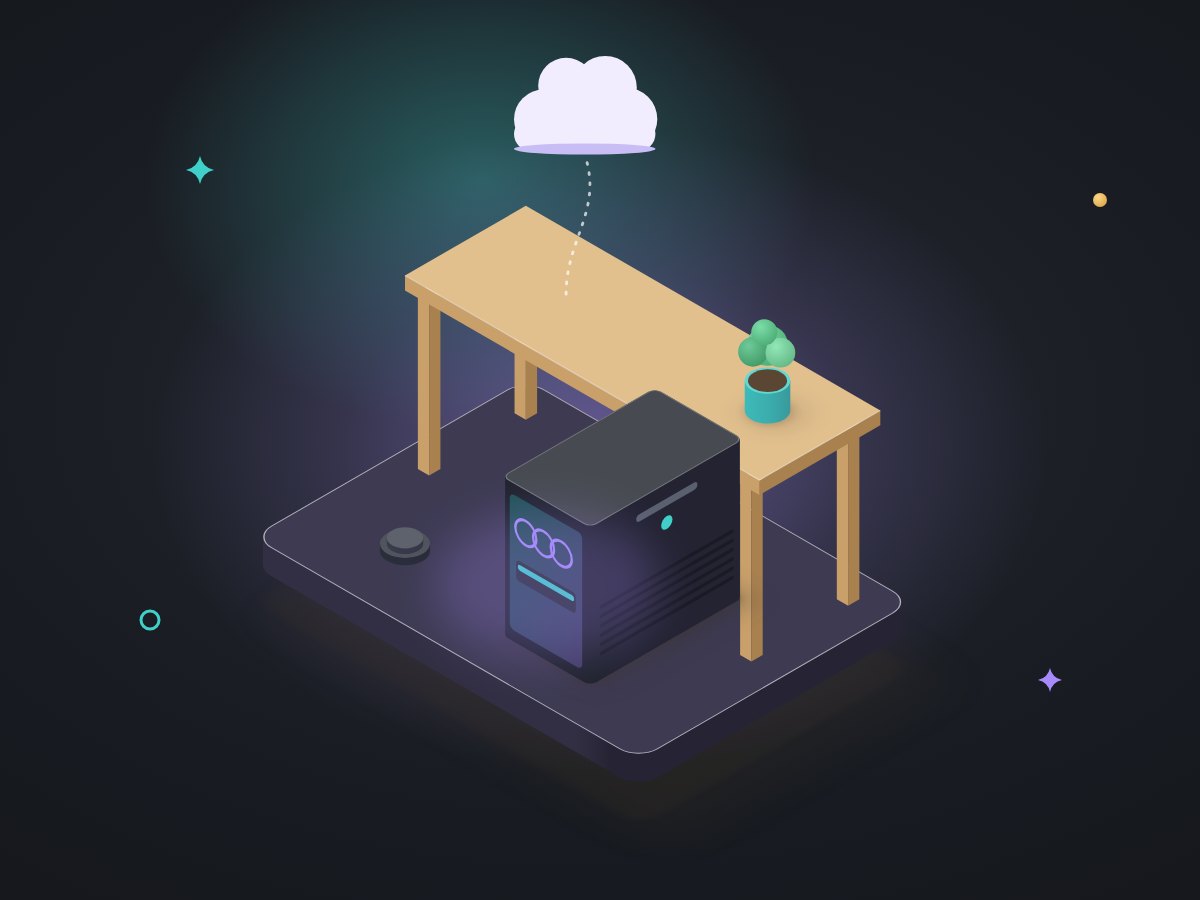
Ours runs its small models on one desktop PC with a mid-range graphics card, and sends harder work to cloud models. Yours could run entirely in the cloud if keeping data in the office is not a requirement.
Can agents send emails or move money on their own?
Not in anything we build by default. Outward messages wait for review and a person's send. Finance agents record money and never move it. Any step up in autonomy is a decision you make, per job, in writing.
More on agent crews
The full case, how we watch the crew, and the hardware side.
MUVES OS
The whole system: architecture, rules and how it runs.
Agent monitoring & debugging
The rule-based watcher that sits beside the crew.
Private AI on your own hardware
Small models in the office, cloud only for judgement.
Business operating systems
Jobs, people and decisions in one system.
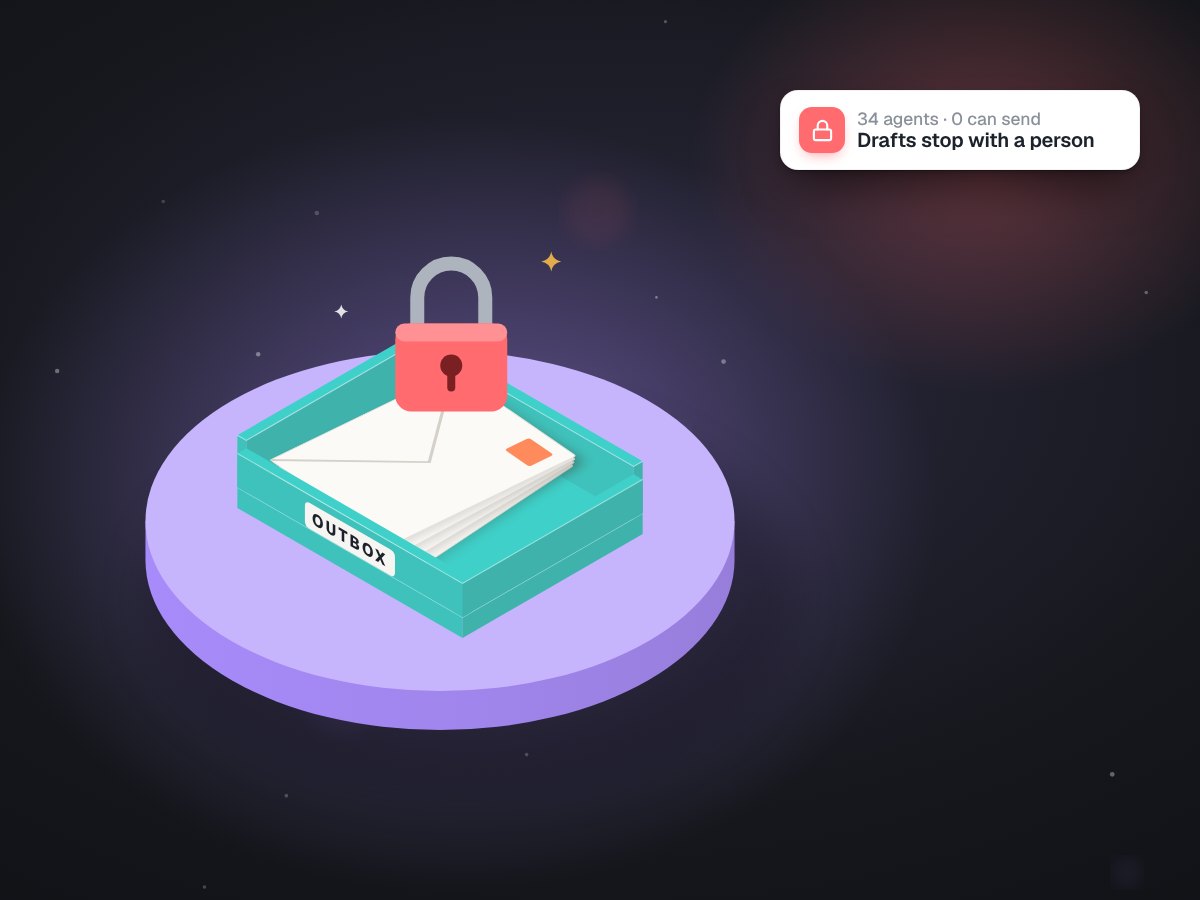
How two people run a company with 34 AI agents
And why none of them can send an email.
Which jobs fill your week? Let's put them on the ladder.
On a free call we list your repeat work and mark which rung each job could start on.