Retail & e-commerce
 ShopifyWooCommerce
 Stripe
Orders, stock and customers in one picture.
A small retailer runs a POS in the shop, a Shopify or WooCommerce store online, maybe a marketplace, a shipping app, an email tool and the books. Each keeps its own customer list and its own stock count, and someone spends Monday making them agree.
ShopifyWooCommerceStripe
Websites, at work.
The usual stack
Four places you sell, four versions of the truth.
Where time goes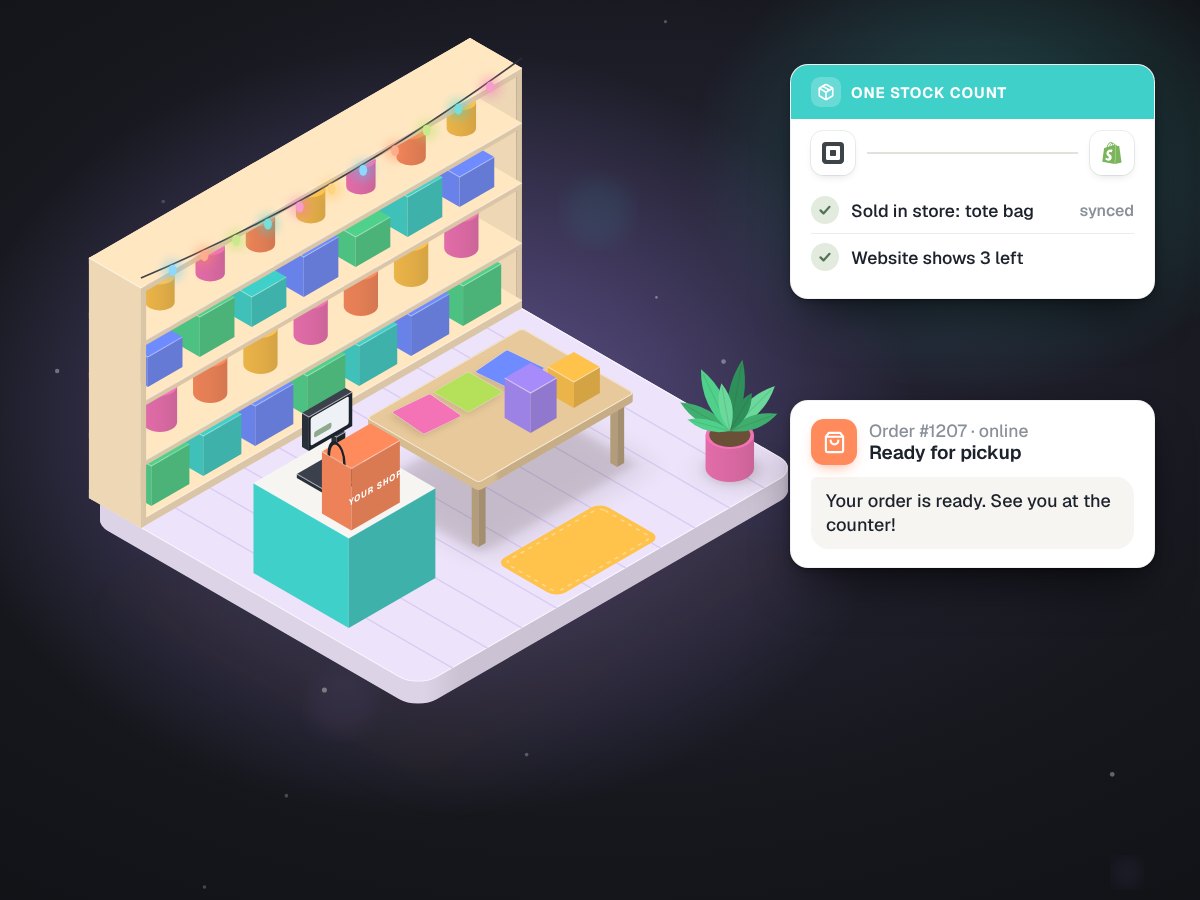
Sound familiar in the shop?
- Sold twice"Someone bought the last one online after we sold it in the shop."
- Addresses retyped"I copy addresses from orders into the shipping site."
- "Where's my order?""Our inbox is mostly 'where's my order?'"
- Once-a-year customers"Our best customers buy once a year, and we never ask why not twice."
- Amazon questions"I want to sell on Amazon but don't know what applies to my products."
- A template privacy policy"Our privacy policy came from a template years ago."
What we'd build
On the dashed lines first.
Integrations & APIsPOS, online store and marketplace sharing one stock count
Workflow automationOrder to label to tracking email, once per order
Website chat & WhatsApp"Where's my order?" answered from the order itself, in chat or DMs
Online stores & checkoutA store or a small catalogue with checkout in your name
Customer history analysisWho buys on a rhythm, who's slowing, who bought once
Email & text campaignsMessages to customers who opted in, sent within sending limits
Feasibility studiesMarketplace readiness: listing rules, labelling and what applies to your products
Website auditsEvery page, link and second of load time measured
A week with it working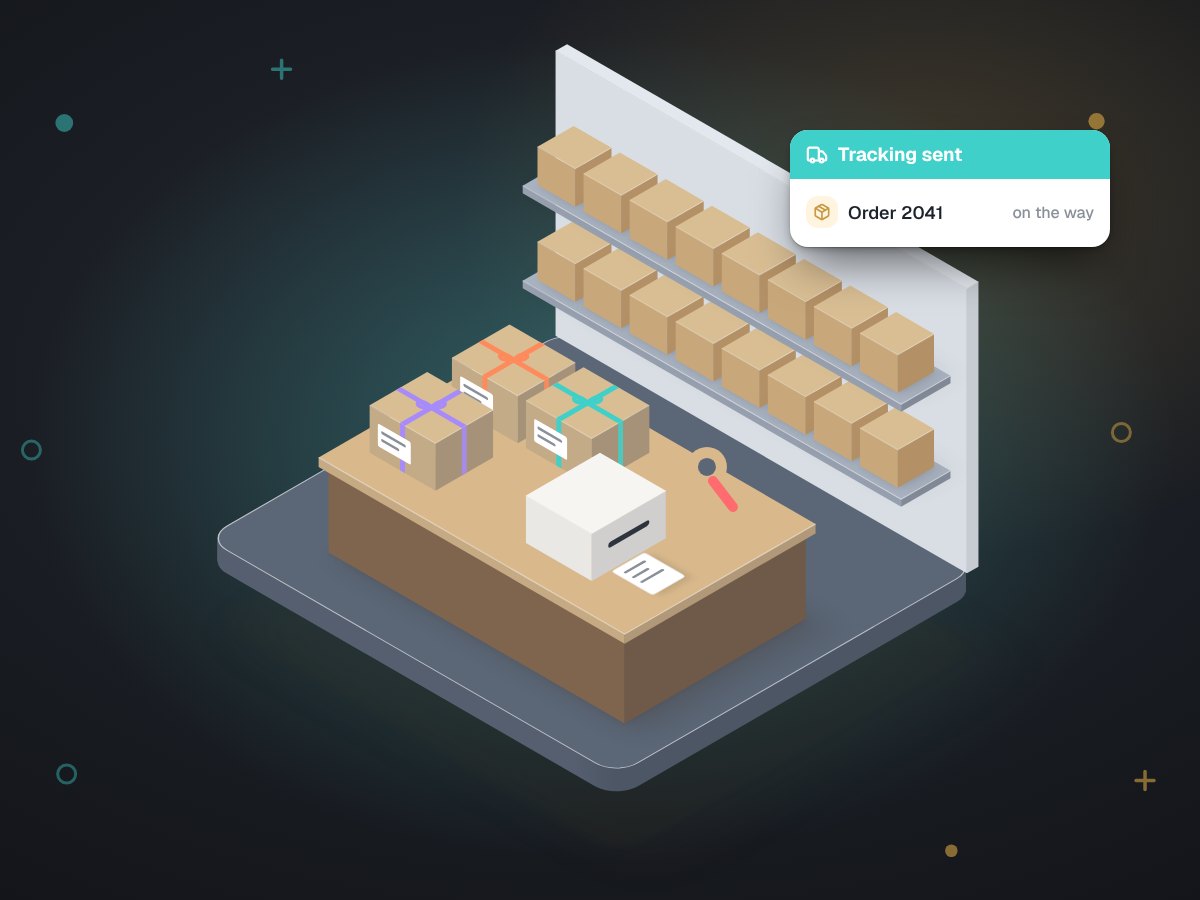
A two-channel gift shop in December.
- At the counterA candle sells, and the online count drops by one before anyone reaches the stockroom.
- Online ordersLabels print by themselves, once each, and customers get tracking without asking.
- In the DMsQuestions about delivery get the order's real status.
- FridayThe owner sees the reorder list and which once-a-year customers haven't been back, and picks who gets a note.
Similar work
A store, a label bot and two kinds of homework.
- Online store for a dental supplier.Five kits, Stripe hosted checkout, a ZIP prompt with delivery estimates and an order email per paid order. Built, launching once the seller's payments are set up. We also told the client before building that Stripe doesn't offer PayPal to US businesses, so PayPal wouldn't be at checkout.
- LabelBot.At a dental lab, one courier label per invoice, guarded by a ledger so a reprint never ships twice.
- Marketplace readiness researchWhen a client asked about Amazon, we checked listing and labelling questions against primary sources before anything was listed.
- A policy gap checklistWe compared a shop's privacy policy and terms against what its payment processor and consumer rules expect, then handed the checklist to the client's lawyer. We don't write legal terms.
Questions
From shop owners.
Shopify or something custom?
Shopify or WooCommerce for most shops. We build custom only when you sell something those handle badly, like a small trade catalogue inside an existing site.
Will you change our payment provider?
Only if you ask. Checkout stays in your name with the provider you choose, and card numbers stay on the provider's own page.
Which count do you trust? Let's make it the only one.
The first call is free. Tell us every place you sell.