Where AI helps your business, and the rules it plays by.
Your staff are already using AI, with or without a plan. We write down the rules first, then sort the ideas into now, next and later, so the first thing you try is useful and nothing gets ahead of what you are comfortable with.
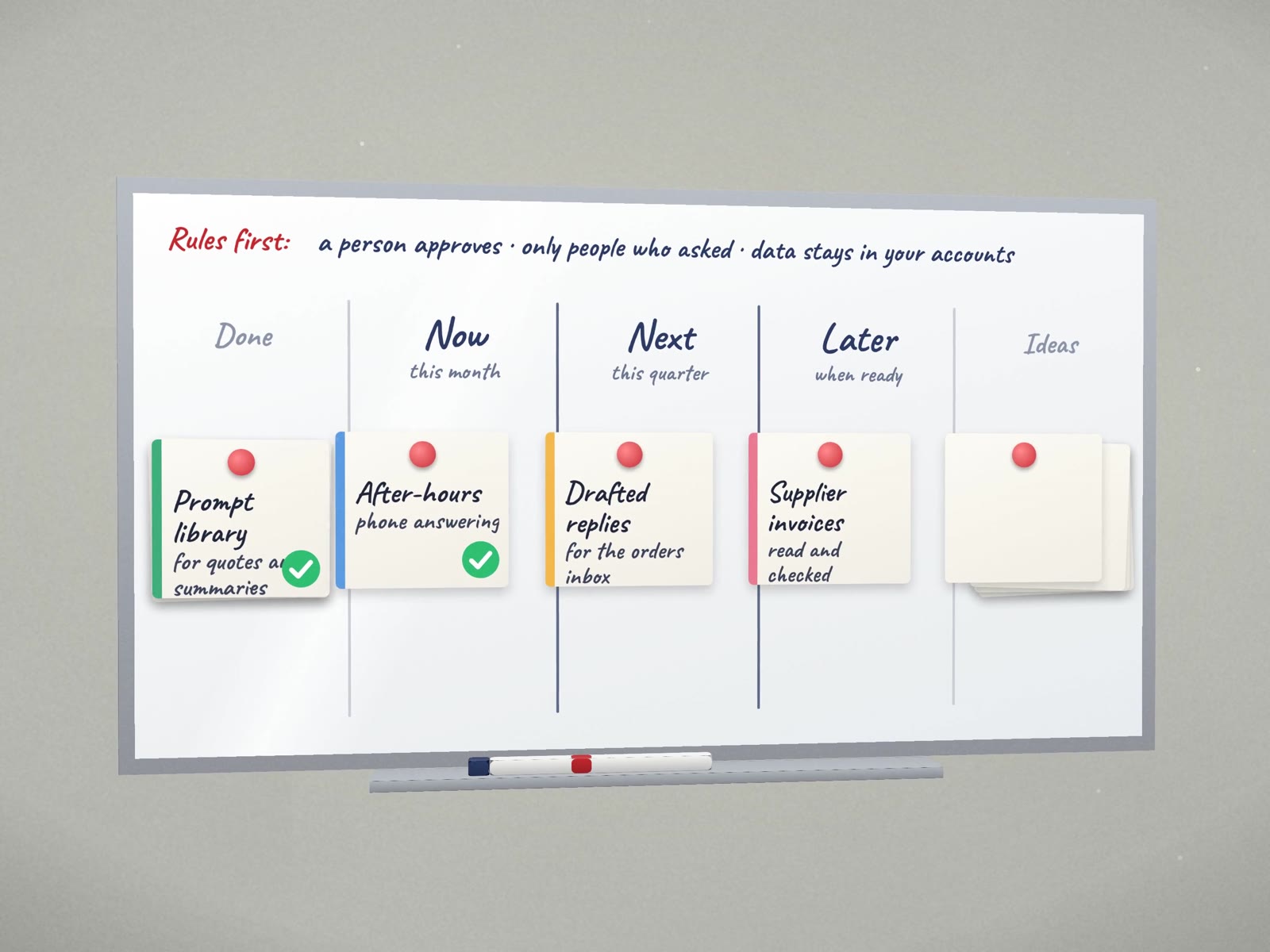
Five rules, agreed before any tool is switched on.
- Consent before contact
AI only reaches people who asked to hear from you. We do not set up AI cold calling, and recorded calls start with a plain notice.
- A person approves
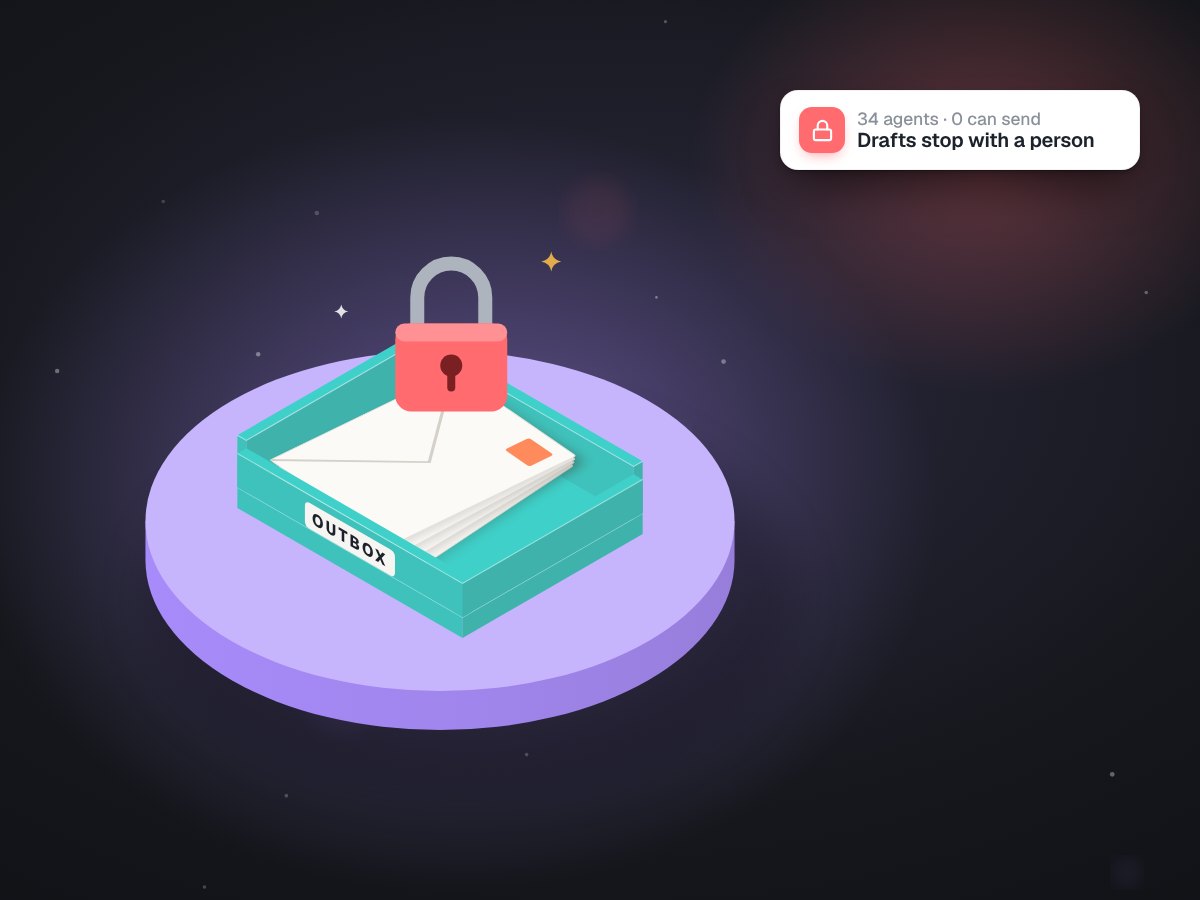
Drafts are drafts. Anything that reaches a customer, moves money or changes a record passes the approval step you choose, and that step is written on the roadmap card.
- Your data stays in your accounts
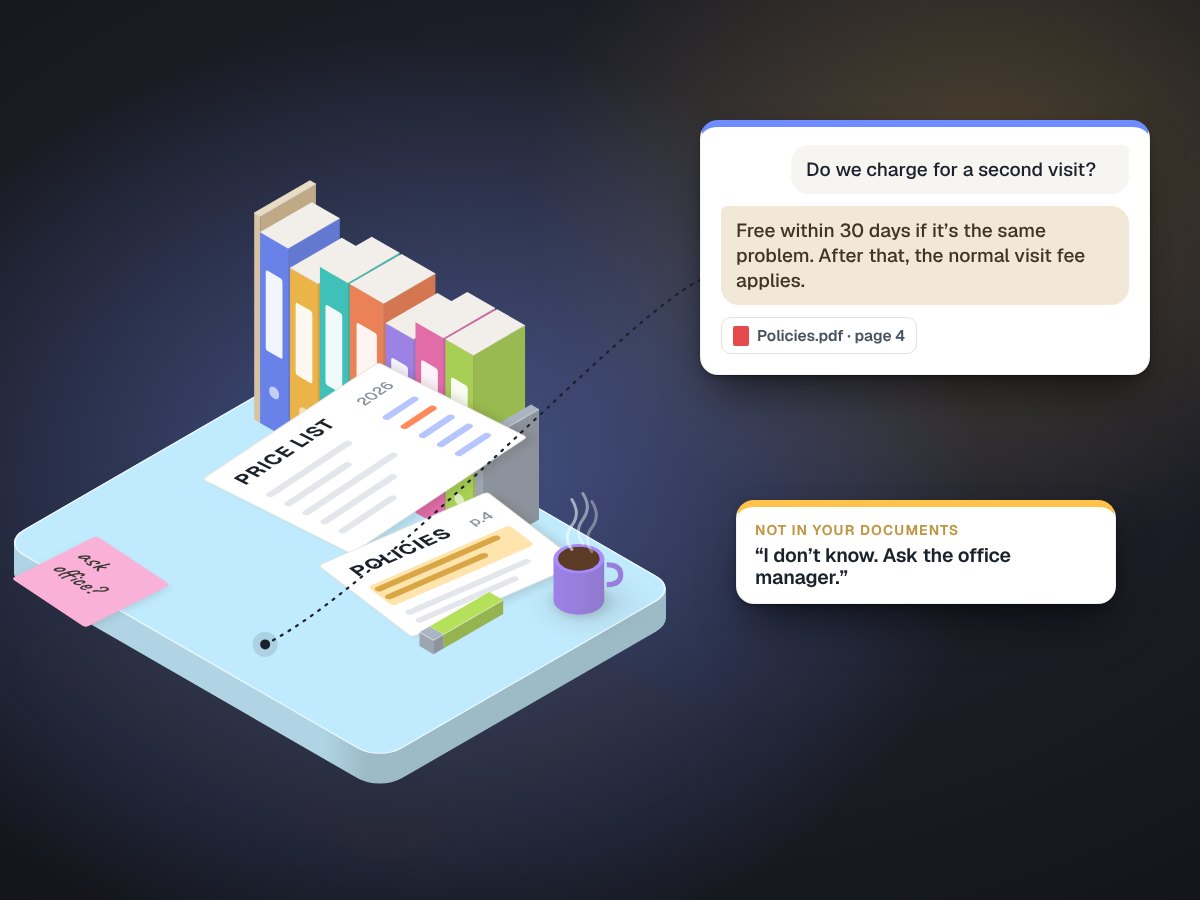
Business accounts in the company's name, never personal ones. Each task gets only the information it needs, and the sheet says what never goes in.
- Every action leaves a trail
What the assistant did, when, and on whose approval, kept where you can read it later.
- Written so staff can follow it
One page, plain words, no policy jargon. If a new hire cannot apply it on day one, we rewrite it.
Plain language, not legal advice. Where a rule touches privacy or consent law, we flag it for your lawyer.
A board, not a 40-page report.
A sample for a made-up wholesale distributor with twelve staff. Each card is something we could build or set up, sized to what the team can absorb.
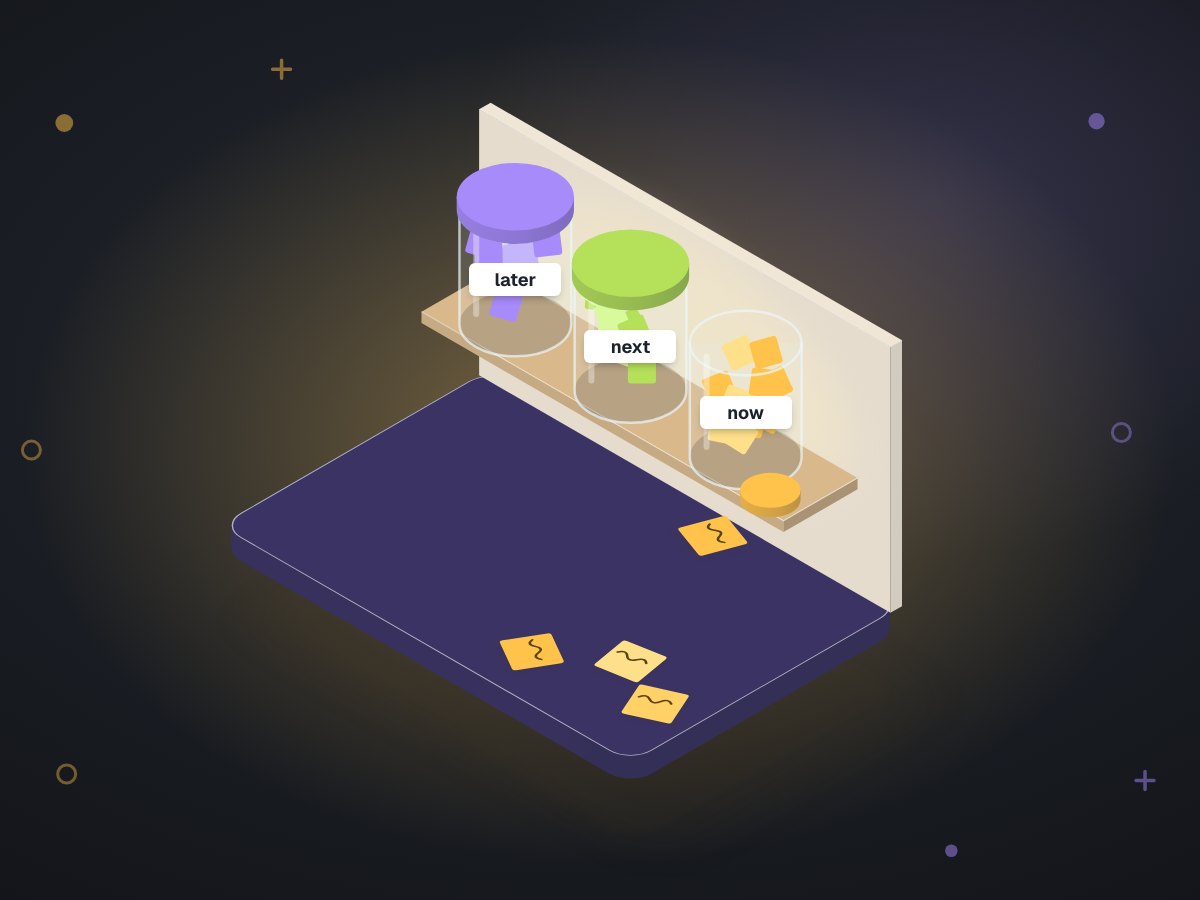
Now this month
Next this quarter
Later when ready
Not on the board
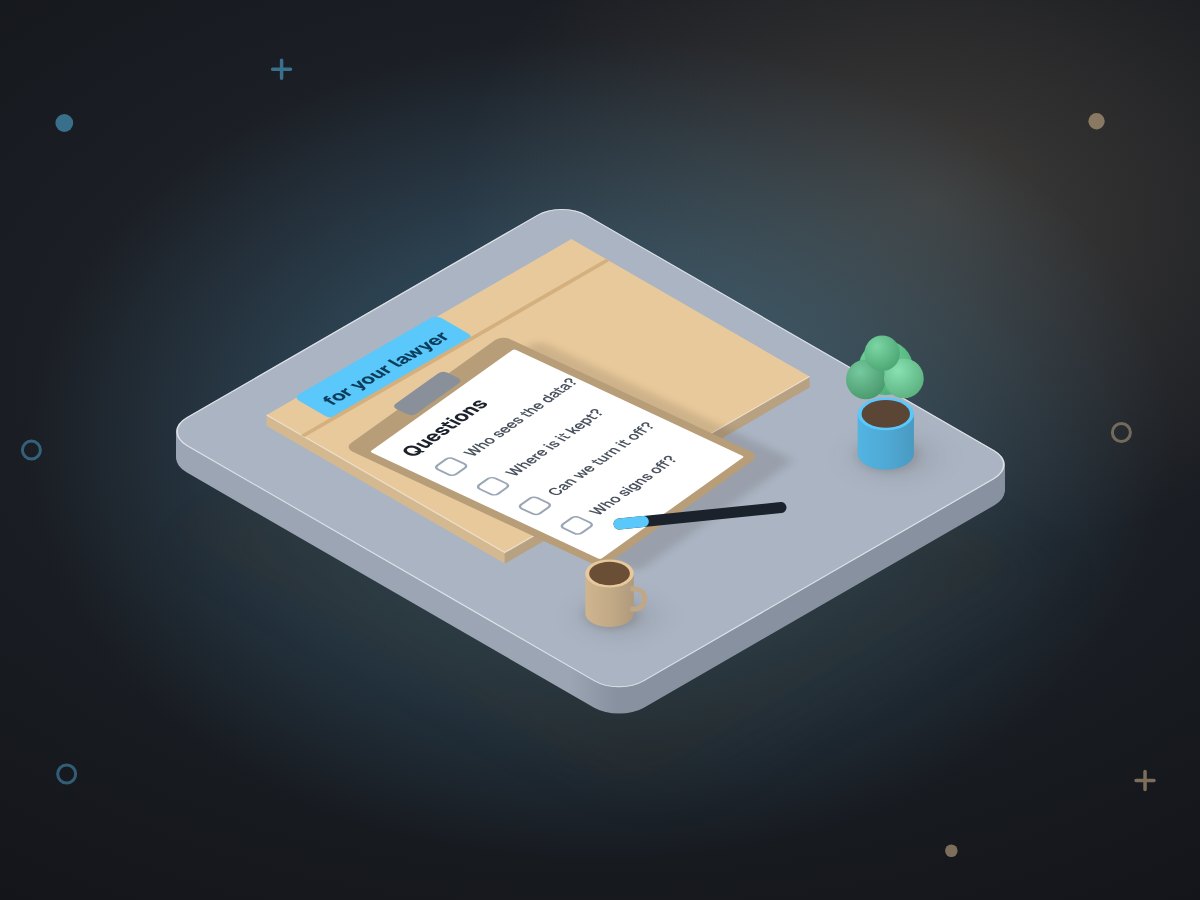
We prepare the questions. Your lawyer answers them.
When AI touches your website, your forms or your customer messages, privacy and terms come up. We do not write legal terms. We do read your current privacy policy and terms against the public checklists that apply, and list each gap in plain words, marked by where it comes from:
- LawRules that may apply depending on where you sell and how big you are, such as state privacy laws and federal rules for orders taken by mail, phone or online.
- Payment processorWhat your card processor asks every website to show.
- Good practiceDisclosures for tools like spam checks on forms, even where nothing requires them.
We built this checklist for an online shop before it launched. Your lawyer gets a short document with questions instead of a blank page.
About roadmaps and rules.
Do we need AI rules if we are only ten people?
Small teams need them most, because one person pasting a customer list into a personal account is a large share of the company. The rules fit on one page and take an afternoon to agree.
Does the roadmap name specific products?
Where a choice matters, yes, with the reason. Where several tools would do, the card describes the job and the rules, so you are not tied to one vendor.
Is the lawyer checklist a substitute for legal review?
No. It is a plain-language list of questions for your lawyer, so their time goes on answers rather than discovery. It is not legal advice.
Putting the roadmap to work
From rules on paper to tools in use.
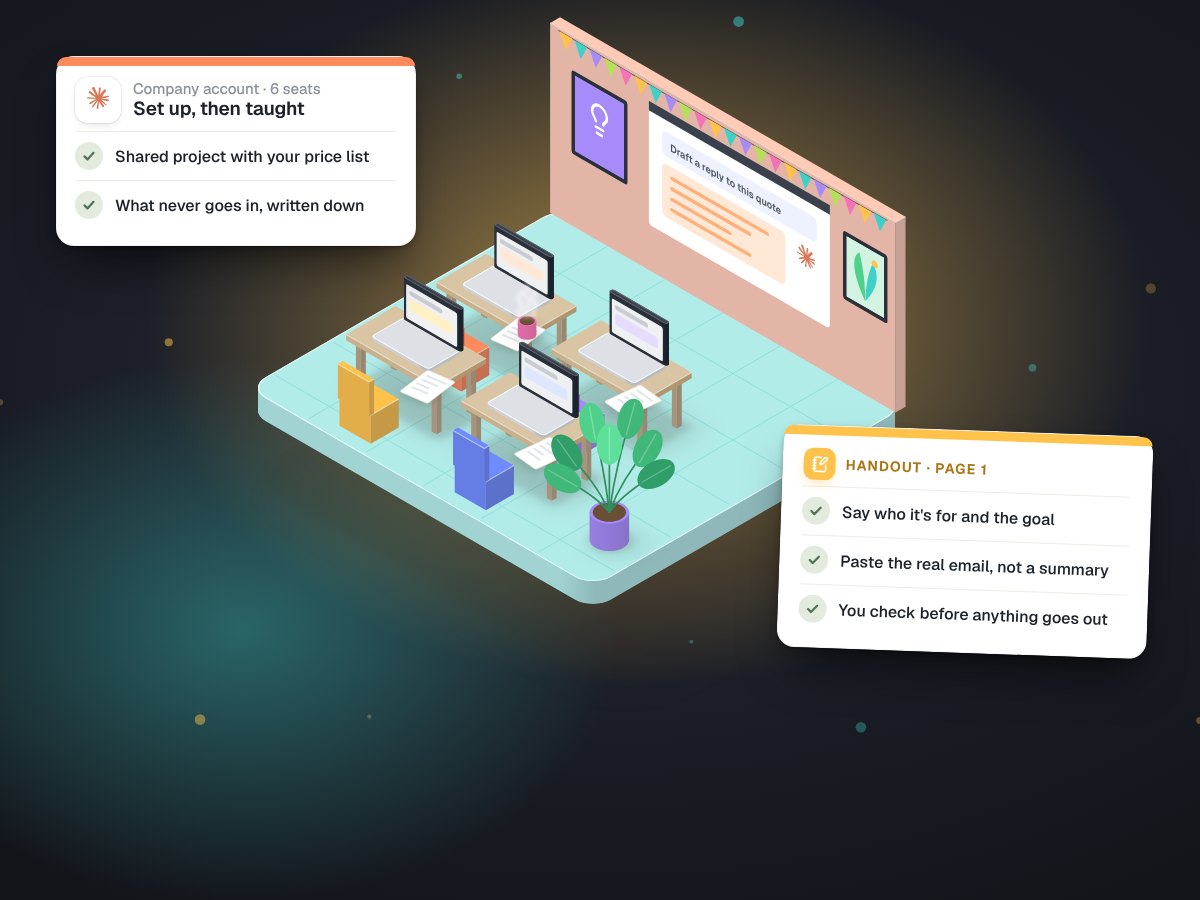

Everyone asks about AI. Start with the rules.
On a free call we will ask what your team already uses and where it would help most. The preliminary plan sketches your first board.