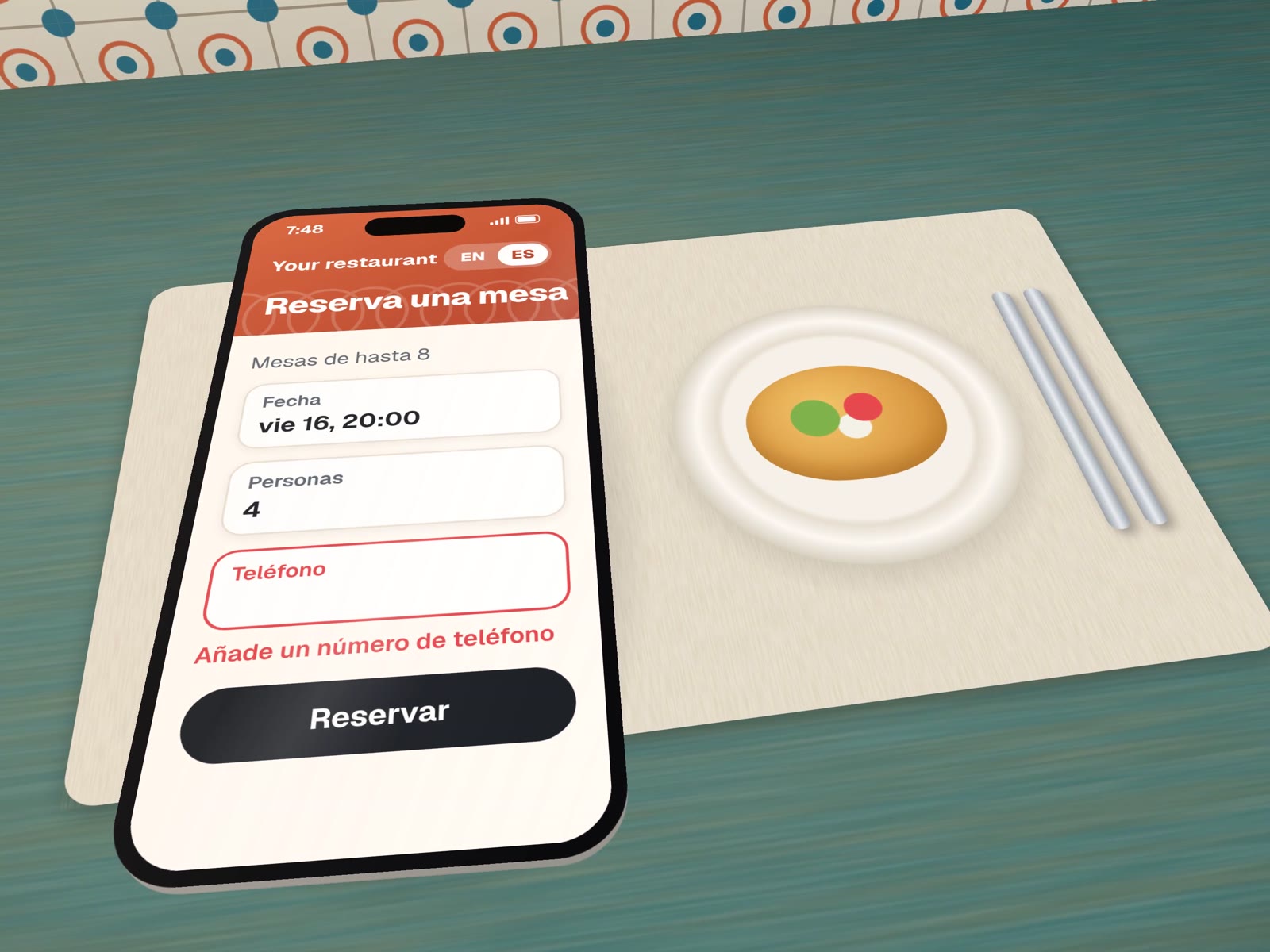
English and Spanish, one tap apart.
Not a single translated page tucked in the footer. Every page, every button, every form error and every confirmation in both languages, with the switch in the same place throughout.
The same section, in both languages, down to the error message.
A sample from a generic quote page. Customers notice when the buttons, errors and hours were left in English.
Translation is the easy half.
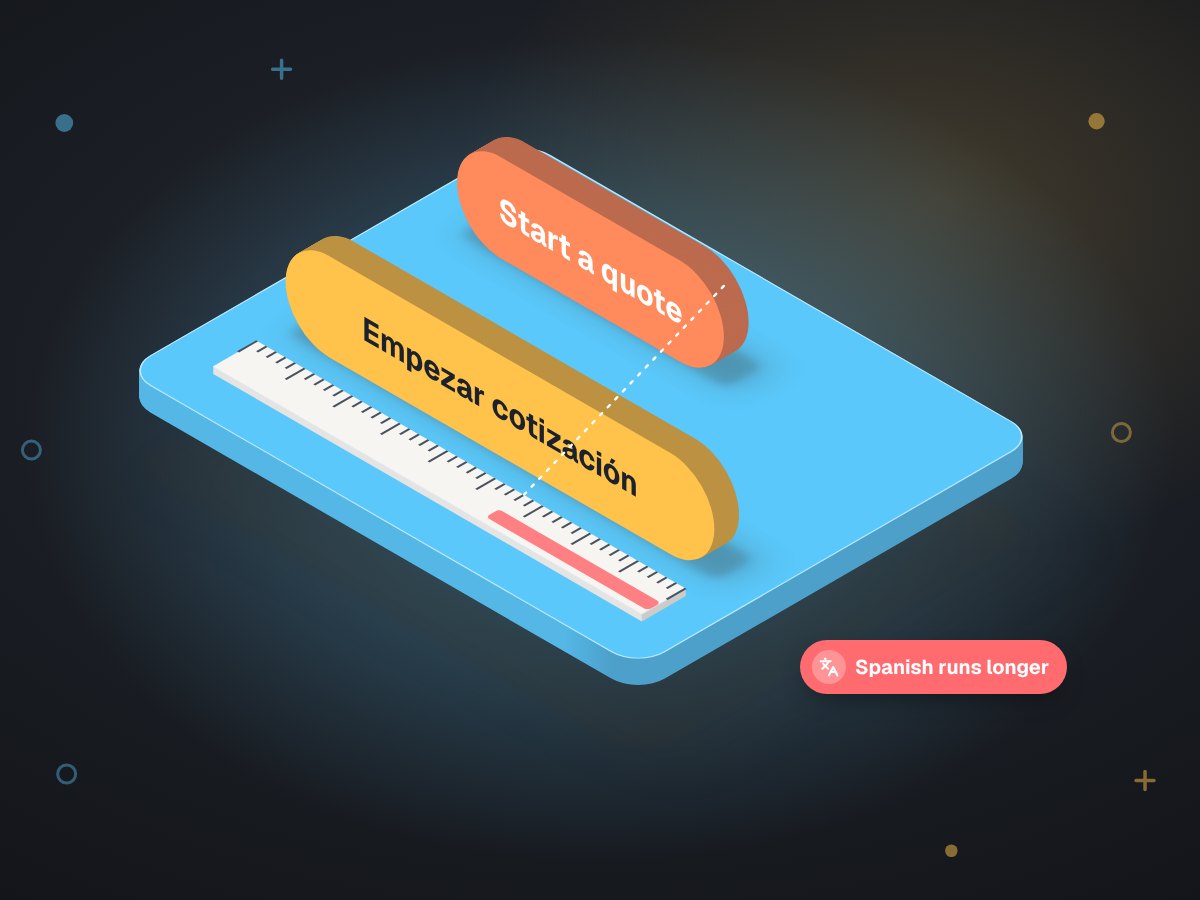
- LengthSpanish usually runs longer, so buttons, menus and headings are sized for the longer version.
- Forms and emailsLabels, errors, the confirmation screen and the email the customer gets afterwards.
- FormatsDates, times and phone numbers written the way each reader expects.
- SearchPage titles and descriptions in both languages, so a search in Spanish finds the Spanish page.
- Legal pagesPrivacy and terms in both languages, reviewed by your lawyer, not by us.
- ProofCustomer reviews stay in the language they were written in. We never translate someone's words and present them as a quote.
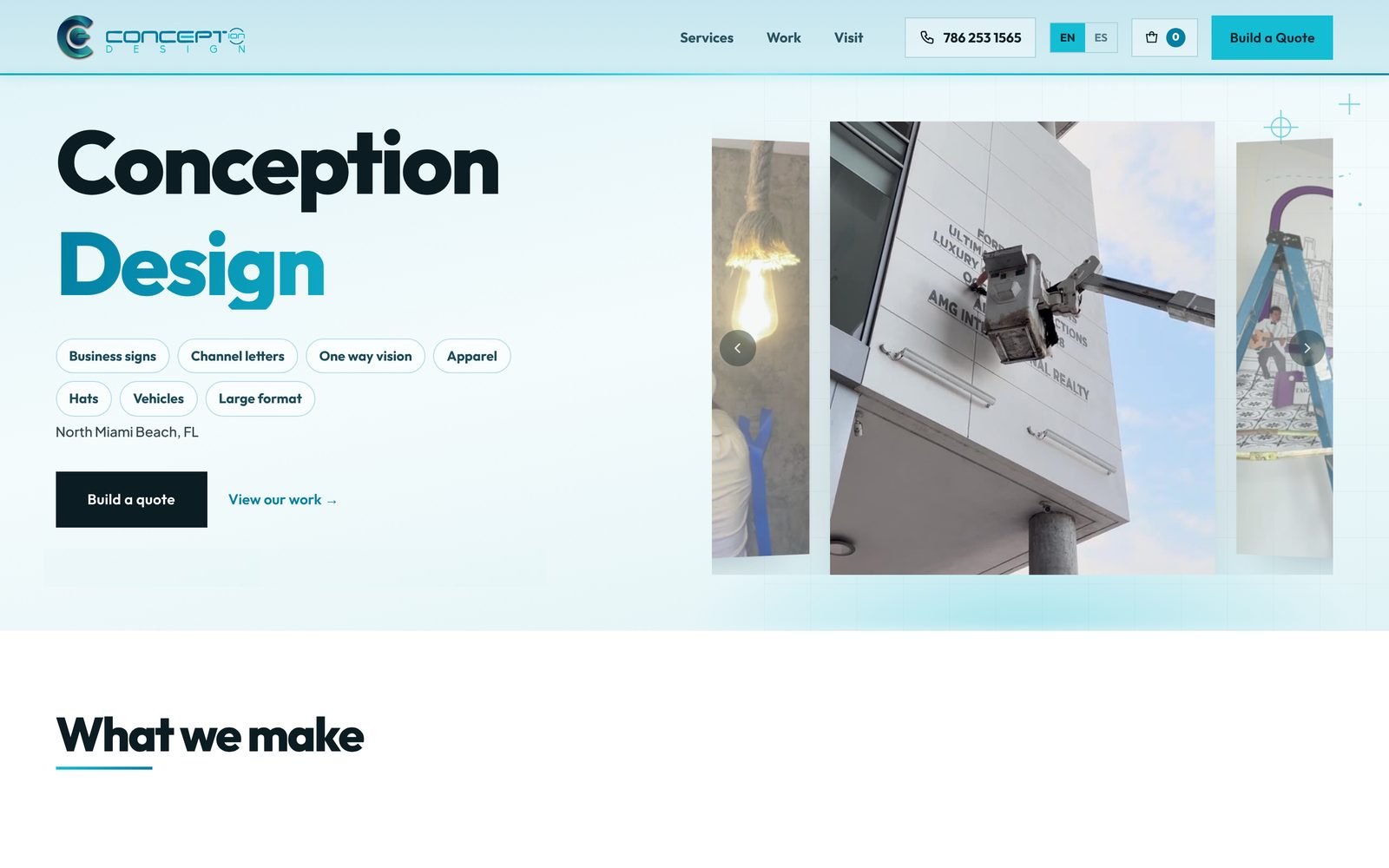
A North Miami Beach sign shop, in both languages since September 2026.
What we did, and who signs off
Conception Design wanted every customer to be able to read the site and ask for a quote in English or Spanish. The switch covers every page and the full quote builder. We wrote the Spanish; the shop's own team reads it, because they are the native speakers and they know how their customers talk.
Read the full build, from cookie consent to the quote builder
Wherever half the calls start in Spanish.
A native reader with an afternoon.
- A native readerOne person on your team who reads Spanish every day and can mark what sounds wrong.
- Tú or ustedYour choice, made once and applied everywhere.
- Your trade wordsAny words your trade uses that a dictionary gets wrong, like the name your customers use for a product.
That's it. An afternoon of reading, not a project.

About two-language sites.
Do you translate with a machine?
We draft the Spanish ourselves, using tools where they help, then a native speaker on your side reads every page before launch. On the sign shop's site the owner's team is that reader.
Should the Spanish site say tú or usted?
That is your call, made once and applied everywhere. A shop selling to young walk-in customers may choose tú; a firm handling contracts usually picks usted. Mixing them is the giveaway of a rushed translation.
Which language does a visitor see first?
English by default, with the switch in the same place on every page. If a visitor picks Spanish, the site remembers it, unless they declined cookies, in which case it asks again next time.
Can you add Portuguese?
Yes. The same structure takes a third language. One of our founders speaks Portuguese, but we still want a native reader for the final pass.
More in two languages
Other places your Spanish-speaking customers meet you.
Online quotes & booking
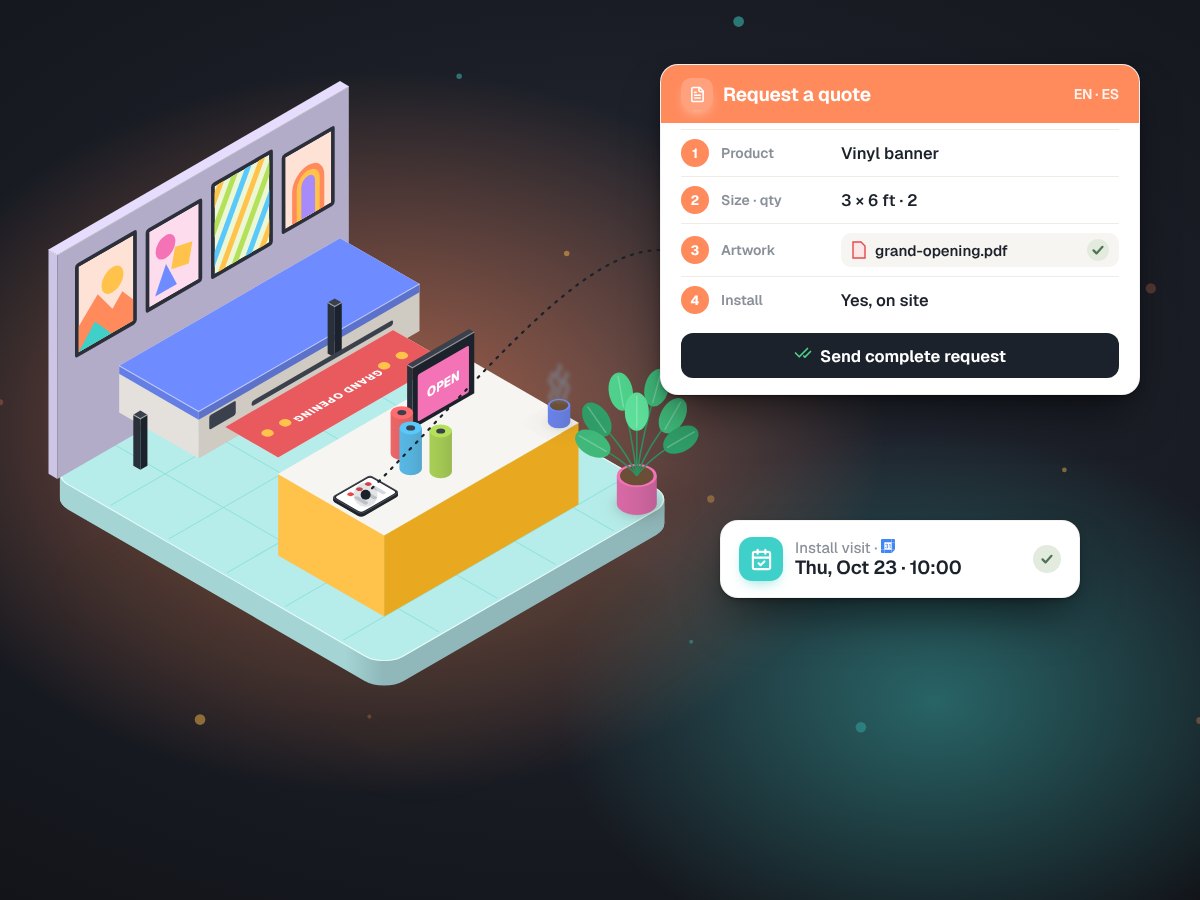
A quote builder whose every step works in both languages.
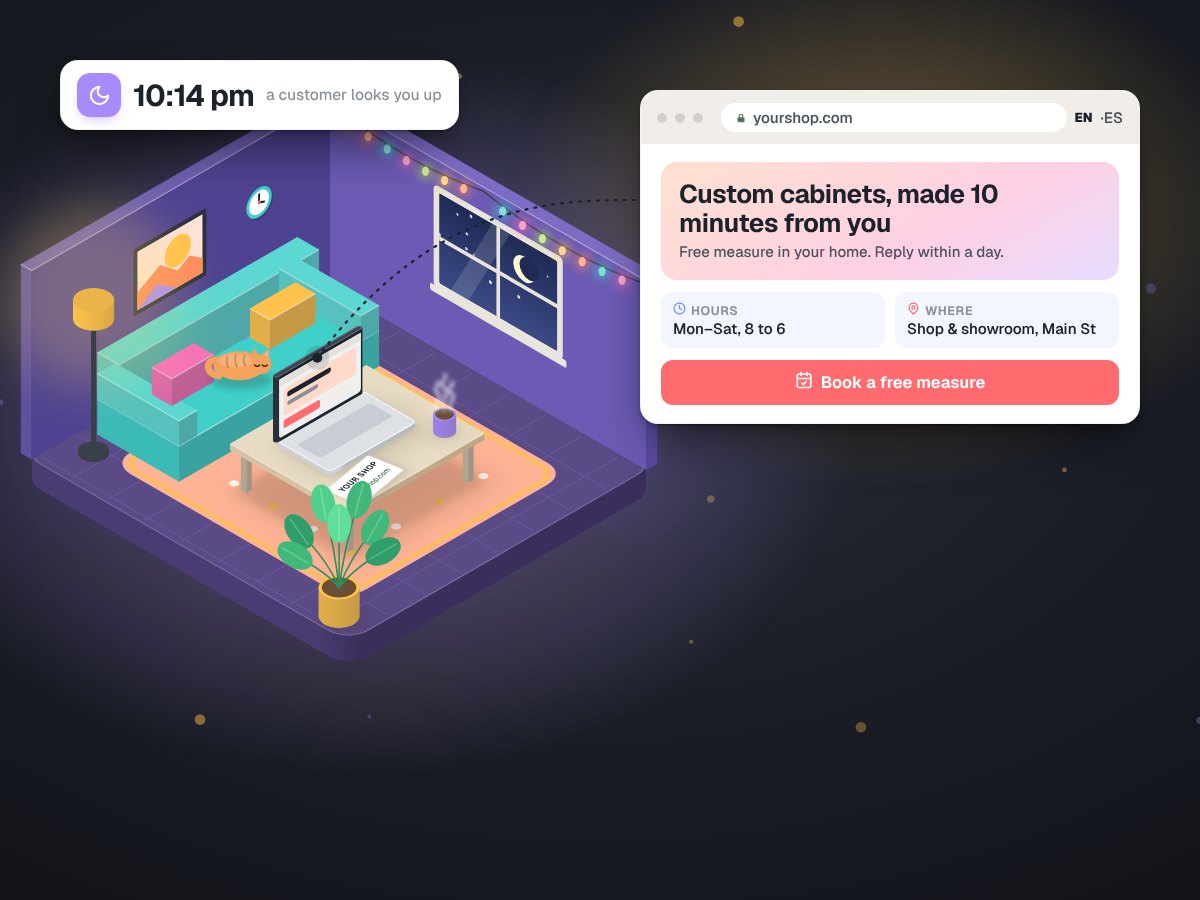
Business websites
The base site, written from the questions customers ask.
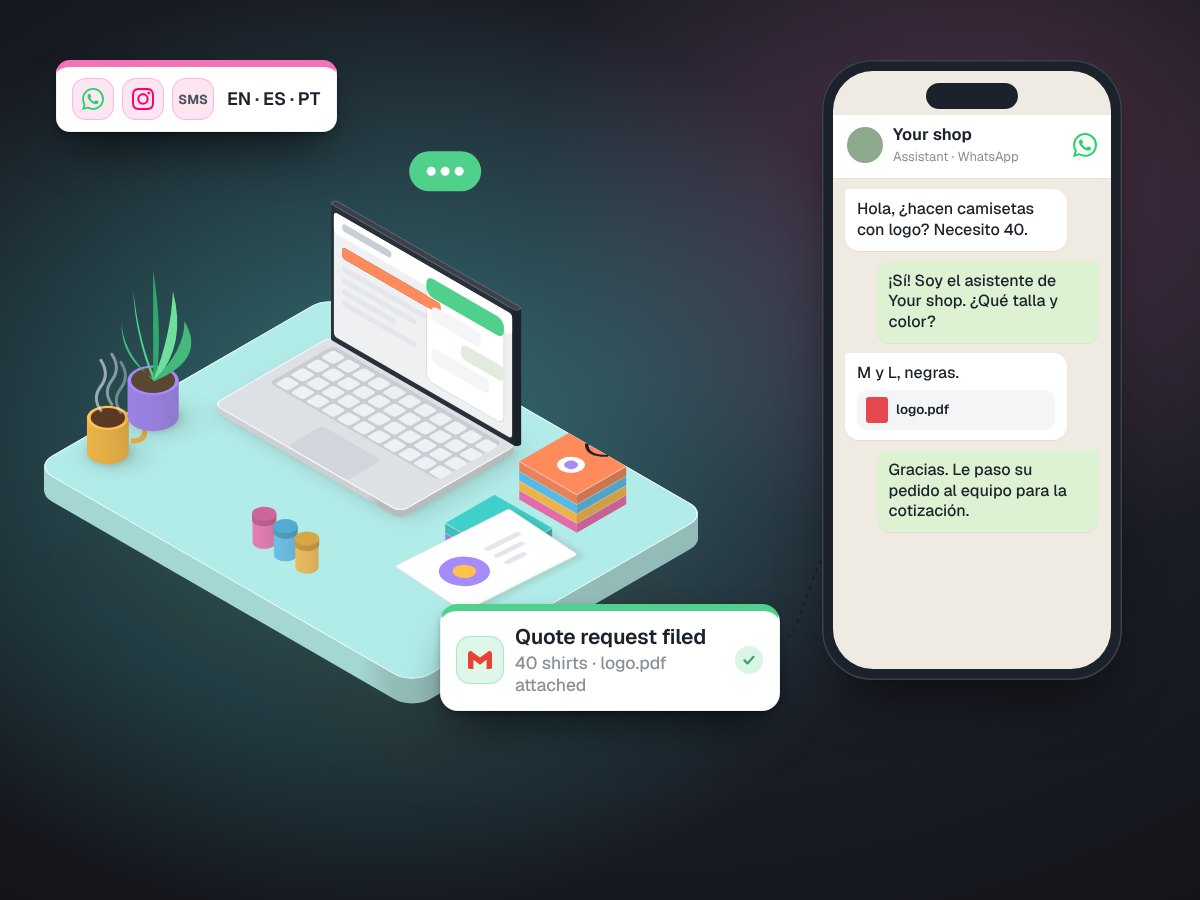
Website chat & WhatsApp
Answer in Spanish after hours, through official channels only.
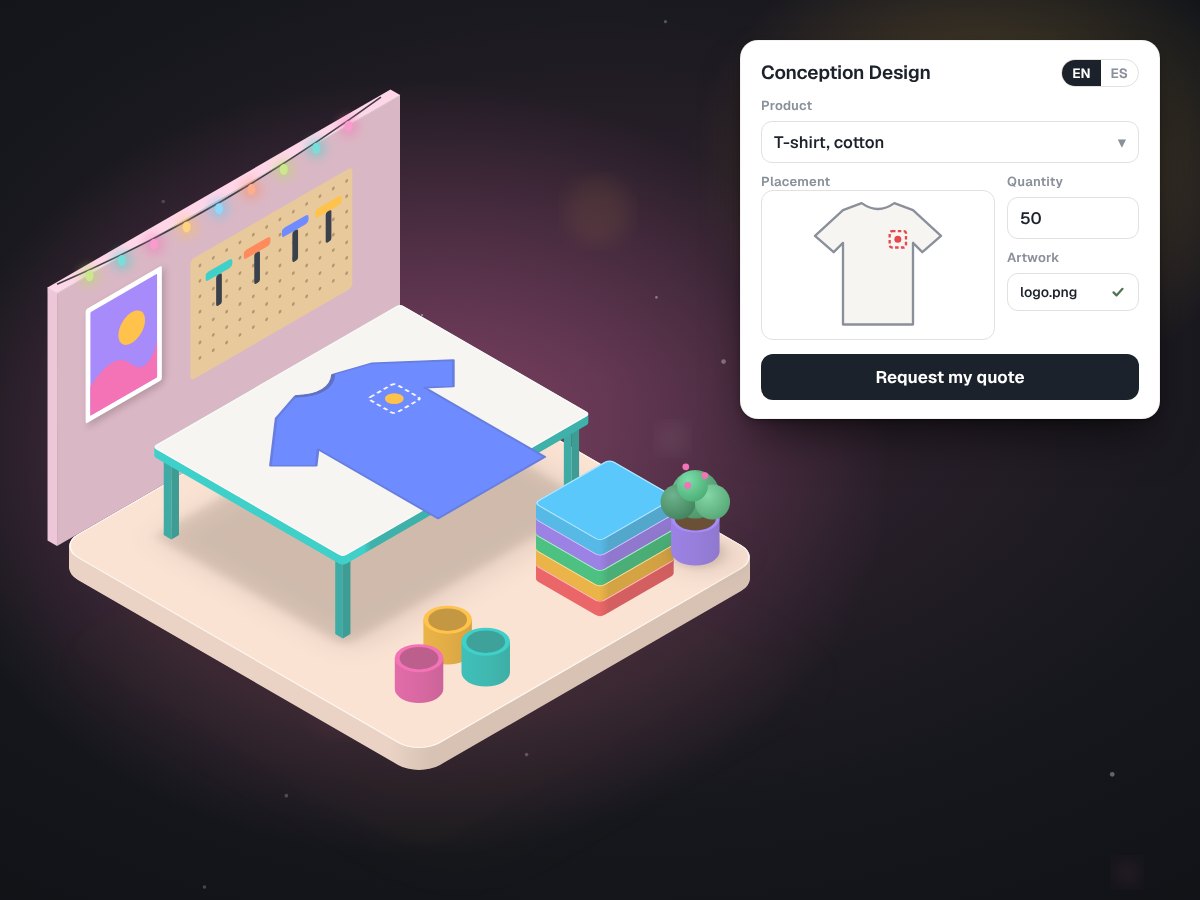
Bilingual site with a quote builder
An EN/ES switch on every page since September 2026.
Half your calls start in Spanish? Your site should too.
Tell us who your customers are. The first call is free.